
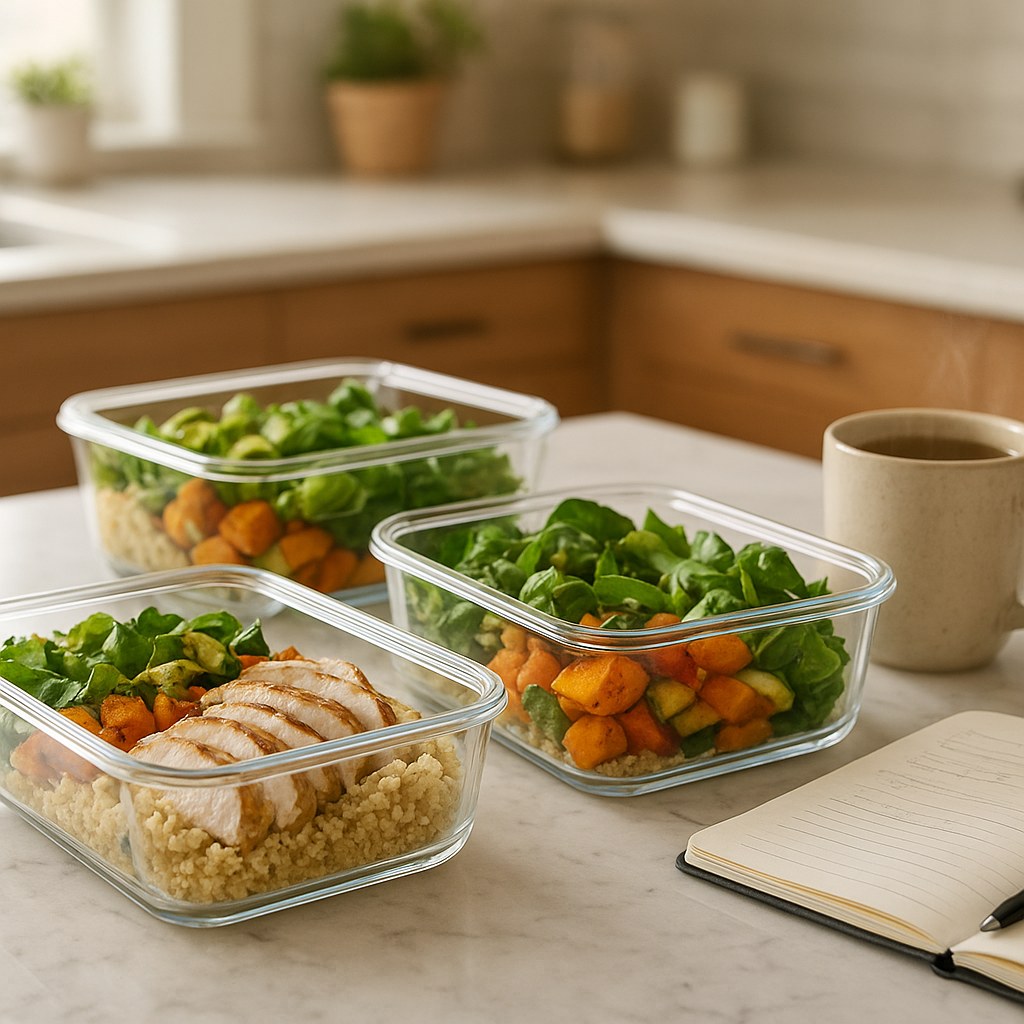
The Sunday scaries hit different when you’re staring at an empty fridge, mentally calculating how much energy it takes to chop vegetables versus the guilt of ordering takeout again. If you’ve ever felt that peculiar mix of decision fatigue and nutritional dread, you’ve experienced firsthand why meal prepping isn’t just a fitness trend—it’s a legitimate mental health strategy hiding in your kitchen.
Most conversations around meal prep focus on macros and weight loss, but the psychological payoff might be even more compelling. When you prepare your meals in advance, you’re not just saving time or money. You’re creating a buffer between yourself and the daily chaos that erodes mental resilience. From reducing anxiety to fostering a genuine sense of control, the practice of planning and preparing your food can become a cornerstone of emotional wellness.
The Psychology of Preparation: Why Your Brain Loves Meal Prep
Decision fatigue is real, and it’s exhausting. The average adult makes roughly 35,000 decisions every day, and by evening, your mental bandwidth is depleted. When dinner becomes yet another choice in an endless stream of judgments, your brain perceives it as a threat rather than nourishment.
Meal prepping eliminates that cognitive load. When your Tuesday lunch is already portioned and waiting, you conserve willpower for things that actually matter—like managing stress at work or being present with your family. Psychologists call this “ego depletion,” and reducing the number of food-related decisions you make each week preserves mental energy that would otherwise trickle away.
Beyond decision fatigue, there’s the anxiety factor. Uncertainty breeds stress, and wondering what you’ll eat creates a low-level hum of cortisol that follows you through the day. Knowing your meals are handled creates predictability, which your nervous system interprets as safety. It’s a small shift with outsized effects on your baseline anxiety levels.
Stress Reduction Through Structure
There’s something deeply calming about opening your refrigerator and seeing neat rows of prepared meals. That visual order translates to mental order. When external environments feel chaotic, controlling your food environment provides an anchor point that grounds you throughout the week.
The Cortisol Connection
Chronic stress elevates cortisol, which ironically drives cravings for high-sugar, high-fat comfort foods. This creates a vicious cycle: stress leads to poor eating, which leads to blood sugar crashes, which leads to more stress and irritability. Meal prepping breaks this loop by ensuring balanced nutrition is available before the stress response hijacks your appetite.
Research published in the International Journal of Behavioral Nutrition and Physical Activity found that individuals who engaged in regular meal planning reported lower stress levels and improved dietary quality compared to non-planners. The act of preparation itself serves as a mindfulness practice—chopping, portioning, and organizing requires present-moment awareness that can quiet racing thoughts.
The Gut-Brain Axis: Feeding Your Mental Health
The link between food and mental health runs deeper than blood sugar stability. Your gut produces approximately 90% of your body’s serotonin—the neurotransmitter responsible for mood regulation. When you meal prep, you control the ingredients that feed your microbiome, essentially manufacturing your own mood-stabilizing medication.
Top 10 Foods for Mental Health
When planning your weekly prep, prioritize these evidence-based mood boosters:
- Fatty fish (salmon, mackerel, sardines) – Rich in omega-3s that reduce inflammation linked to depression
- Leafy greens (spinach, kale, Swiss chard) – High in folate, which supports neurotransmitter production
- Fermented foods (kimchi, sauerkraut, yogurt) – Probiotics that support gut-brain communication
- Berries – Packed with antioxidants that combat oxidative stress in the brain
- Nuts and seeds – Provide magnesium, nature’s relaxation mineral
- Whole grains (quinoa, oats, brown rice) – Steady glucose release prevents mood crashes
- Dark chocolate – Flavonoids improve blood flow to the brain and boost endorphins
- Turmeric – Curcumin crosses the blood-brain barrier to reduce neuroinflammation
- Eggs – Contain choline, essential for memory and mood regulation
- Beans and lentils – Stabilize blood sugar and provide B vitamins for energy
Worst Foods for Mental Health
Just as important as what you include is what you minimize. Ultra-processed foods high in refined sugars and industrial seed oils promote inflammation that can exacerbate anxiety and depression. Fast food, sugary cereals, and packaged snacks create blood sugar rollercoasters that leave you irritable and foggy. Understanding what ultra-processed foods actually do to your body makes the case for preparation even stronger. When you meal prep, these temptations lose their power because you’ve already made the healthier choice convenient.
Building Self-Efficacy One Container at a Time
Self-efficacy—your belief in your ability to execute behaviors necessary to produce specific performance attainments—is a cornerstone of mental resilience. Every time you follow through on meal prepping, you prove to yourself that you can set a goal and achieve it. This builds confidence that spills over into other areas of life.
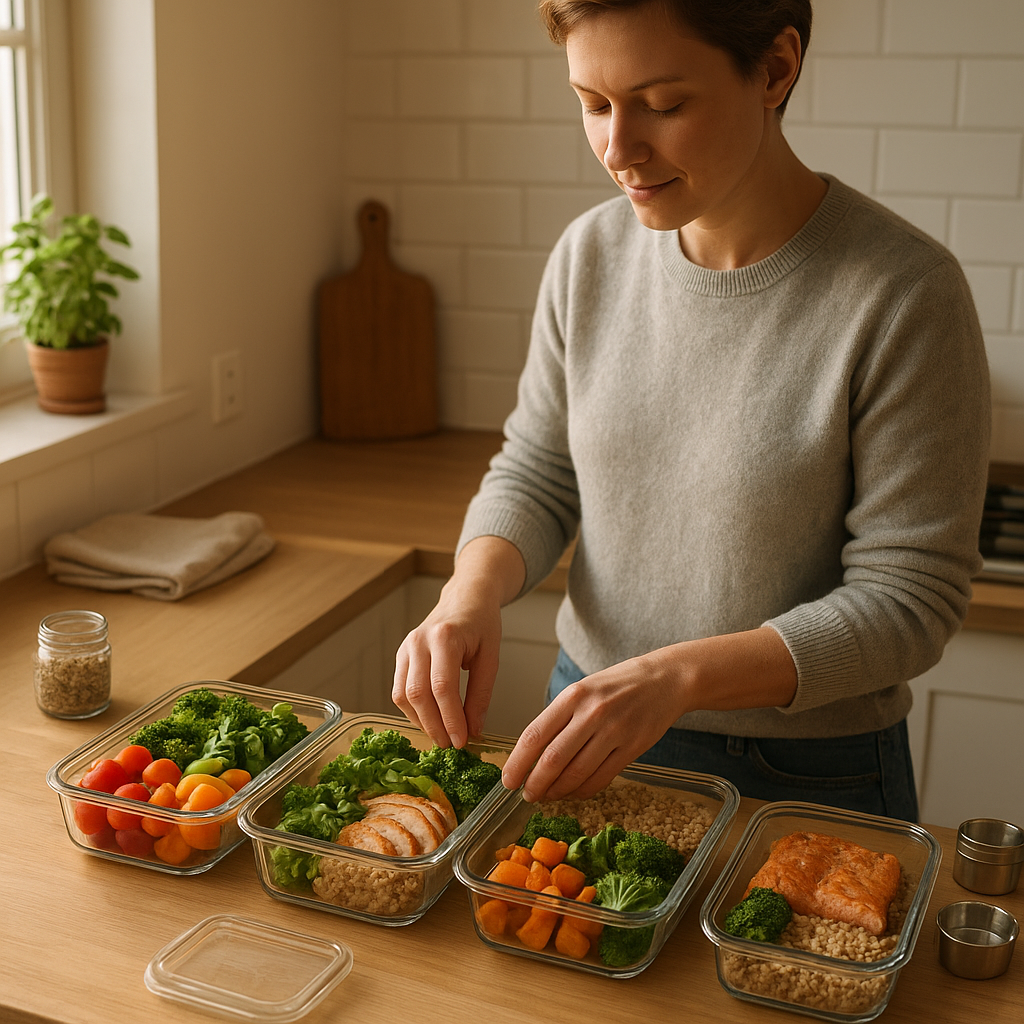
The ritual itself matters too. Setting aside two hours on a Sunday to nourish your future self is an act of self-respect. It signals to your subconscious that you are worth the effort. For individuals struggling with depression or low motivation, this external structure can be the scaffolding that supports healthier habits when internal motivation is absent.
Financial Wellness and Mental Clarity
Money anxiety is a significant contributor to poor mental health, with surveys consistently linking financial stress to increased rates of depression and anxiety disorders. Meal prepping addresses this directly by reducing food waste and eliminating impulse purchases. The average American household throws away approximately $1,500 worth of food annually, while restaurant meals cost three to five times more than home-cooked equivalents.
When you know exactly what you’re eating and what it costs, financial uncertainty diminishes. That mental space previously occupied by “Can I afford lunch today?” or “Why did I spend $80 on takeout again?” becomes available for more constructive thoughts. Budgeting for groceries and sticking to a plan creates a sense of financial agency that bolsters overall mental well-being.
Time Abundance: Reclaiming Your Evenings
Time poverty—the feeling of having too much to do and not enough time to do it—is a modern epidemic. When you arrive home after a long day and face an hour of cooking before you can relax, resentment builds. Meal prepping flips this script by front-loading the effort, gifting you leisure time during the week when you need it most.
Those reclaimed 30-45 minutes each evening add up to nearly four hours per week. You can use that time for activities that actively restore mental health: walking, reading, connecting with loved ones, or simply decompressing without the pressure of “What’s for dinner?” hanging over you. The reduction in daily friction creates space for joy.

Overcoming Common Mental Barriers to Meal Prep
Despite these benefits, many people resist meal prepping because it feels overwhelming. The key is starting small. You don’t need to prepare five different gourmet meals. Begin with just lunches, or simply chop vegetables for the week. Perfectionism is the enemy of consistency here.
If the idea of eating the same meal multiple times triggers boredom or food aversion, use the “component prep” method. Prepare individual ingredients—roasted sweet potatoes, grilled chicken, quinoa, steamed broccoli—and mix-and-match throughout the week with different sauces or spices. This maintains variety while preserving the mental health benefits of preparation.
Making It Sustainable
To maintain this practice long-term, attach it to existing habits. Pair your prep session with a podcast you love, or make it a family activity. The social connection and sensory pleasure of cooking with others amplifies the mental health benefits, turning a chore into a ritual of connection. The broader benefits of cooking at home extend well beyond nutrition, supporting both physical and emotional well-being.
Remember that flexibility prevents burnout. If you miss a week, the world doesn’t end. Meal prepping should serve your mental health, not become another source of pressure. Some weeks you’ll cook elaborate spreads; other weeks you’ll just hard-boil eggs and wash berries. Both count.
Conclusion
Meal prepping transcends the boundaries of nutrition and enters the realm of mental healthcare. By reducing decision fatigue, stabilizing blood sugar, supporting gut health, and creating financial and temporal abundance, this simple practice offers profound psychological benefits that accumulate week after week. The containers in your fridge represent more than food—they represent self-care made tangible, anxiety reduced, and mental energy preserved for the things that truly matter.
Whether you’re managing a diagnosed condition or simply navigating the stress of modern life, the structure and nourishment provided by meal prepping create a foundation of wellness that supports every other aspect of your mental health journey. Start where you are, use what you have, and discover how a few hours of preparation can transform your entire week.