
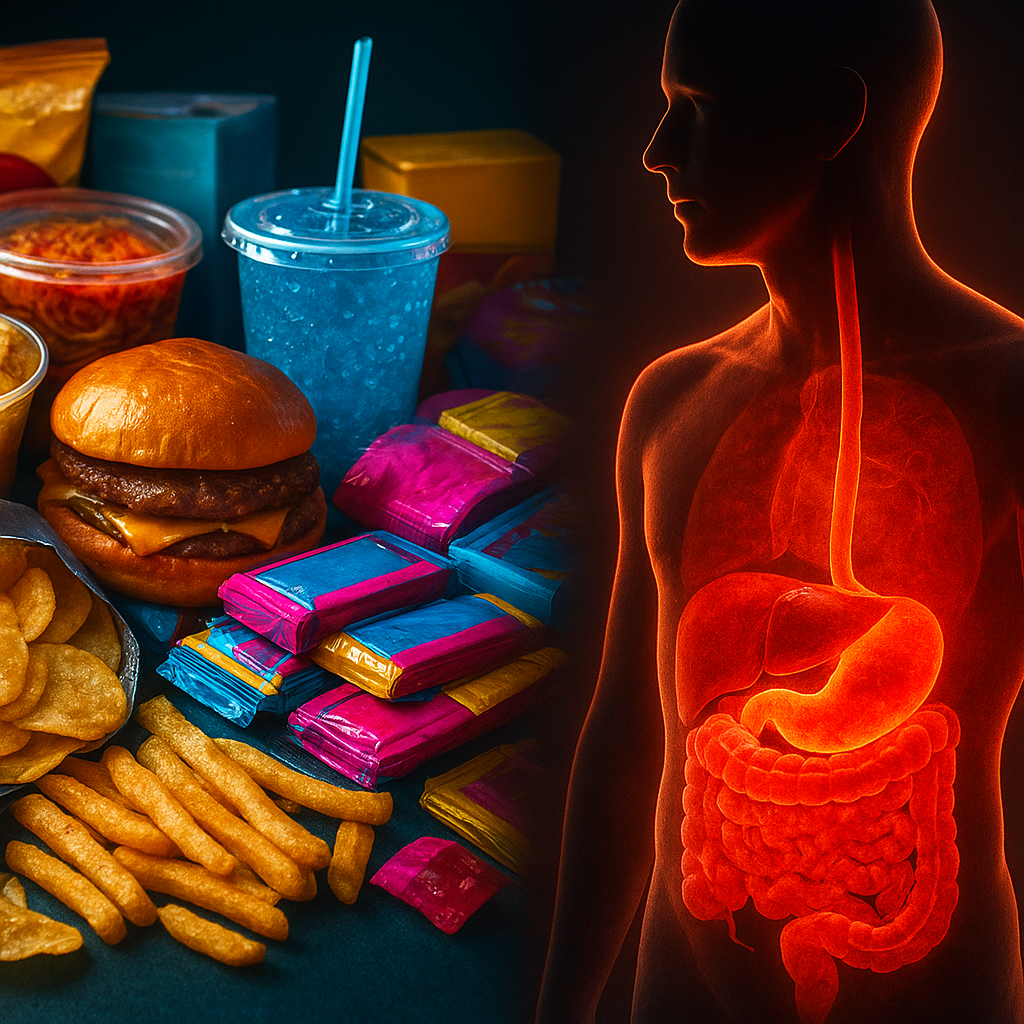
Most of us already know that eating too many chips or fast food isn’t exactly a health decision. But the conversation around ultra-processed foods has shifted dramatically in recent years — from vague nutritional warnings to hard scientific data linking these foods to some pretty serious health outcomes. And the more researchers dig in, the more concerning the picture becomes.
So what exactly is happening inside your body when you regularly eat ultra-processed foods? And what even counts as “ultra-processed” in the first place? Let’s break it all down.
What Makes a Food “Ultra-Processed”?
The term comes from the NOVA classification system, developed by researchers at the University of São Paulo. It categorizes foods not just by their nutritional content, but by the degree of industrial processing they’ve undergone. There are four groups in the system, and ultra-processed foods sit at the top of the scale in terms of how far removed they are from anything resembling a whole food.
Ultra-processed foods are industrial formulations that typically contain five or more ingredients — many of which you wouldn’t find in a home kitchen. We’re talking about things like:
- High-fructose corn syrup
- Hydrogenated oils
- Artificial flavors and colors
- Emulsifiers like carrageenan or soy lecithin
- Preservatives such as sodium benzoate
- Flavor enhancers like monosodium glutamate (MSG)
These ingredients aren’t just fillers — they’re engineered to make food more palatable, shelf-stable, and in many cases, nearly impossible to stop eating. That’s not an accident. It’s by design.
Common Examples of Ultra-Processed Foods
If you’re trying to mentally sort your grocery list, here’s a general picture of what falls into this category:
- Packaged snack foods (chips, crackers, cookies)
- Sugary breakfast cereals
- Flavored instant noodles
- Soft drinks and energy drinks
- Processed deli meats and hot dogs
- Packaged bread with long ingredient lists
- Flavored yogurts with added sweeteners and stabilizers
- Frozen ready meals
- Fast food items
Notably, peanut butter typically does not count as ultra-processed — natural peanut butter made from just peanuts (and maybe salt) is minimally processed. However, commercial peanut butter brands that contain added sugar, hydrogenated vegetable oil, and emulsifiers edge closer to the ultra-processed category. Always check the label.
Similarly, scrambled eggs are not processed food at all — they’re a whole food you’re preparing at home. And canned tomatoes? Also not ultra-processed. Canning is a preservation method, not an industrial reformulation. Plain canned tomatoes with no additives are considered processed (NOVA Group 2 or 3 at most), not ultra-processed.
What Ultra-Processed Foods Do to Your Body
This is where the research gets genuinely eye-opening. Over the past decade, a growing body of evidence has linked high consumption of ultra-processed foods to a range of negative health outcomes — and the mechanisms are becoming clearer.
1. They Disrupt Your Hunger Signals
One of the most well-documented effects is what ultra-processed foods do to appetite regulation. A landmark randomized controlled trial published by the National Institutes of Health found that participants who were given access to ultra-processed diets consumed an average of 500 more calories per day than those on unprocessed diets — and gained weight within just two weeks, even when both groups had equal access to nutrients on paper.
The reason? Ultra-processed foods tend to be calorie-dense but low in fiber and protein — two key factors in satiety. They digest quickly, spike blood sugar, and leave you hungry again sooner. Add in the engineered palatability (that perfect combination of salt, fat, and sugar that makes it hard to stop after one serving), and you have a recipe for overconsumption.

2. They’re Linked to Cardiovascular Disease
Multiple large-scale studies have found a correlation between high ultra-processed food intake and increased risk of heart disease. A study published in The BMJ involving more than 100,000 adults found that a 10% increase in ultra-processed food consumption was associated with a 12% higher risk of cardiovascular disease overall.
The likely culprits include high sodium content (which raises blood pressure), trans fats and saturated fats (which affect cholesterol levels), and added sugars (which can contribute to triglyceride levels and inflammation in the body).
3. They May Increase Cancer Risk
This one surprised a lot of people when the research started emerging. A 2018 study in The BMJ found that a 10% increase in ultra-processed food consumption was associated with a 12% higher risk of overall cancer, and an 11% higher risk for breast cancer specifically. While the research in this area is still evolving and causality hasn’t been definitively established, the signal is consistent enough that health organizations are taking it seriously.
4. They Impact Mental Health
The gut-brain connection is real, and ultra-processed foods appear to interfere with it. Several studies have found associations between diets high in ultra-processed foods and increased rates of depression and anxiety. This may be partly due to the effect these foods have on the gut microbiome — the community of trillions of bacteria that live in your digestive tract and communicate directly with your brain via the vagus nerve.
Ultra-processed foods tend to be low in the fiber that beneficial gut bacteria thrive on, and some additives like certain emulsifiers may directly disrupt the gut lining. When your gut microbiome is out of balance, it can affect everything from mood to immune function.
5. They’re Associated with Type 2 Diabetes
Ultra-processed foods are a significant driver of insulin resistance — the underlying mechanism behind type 2 diabetes. Refined carbohydrates and added sugars cause repeated blood sugar spikes, which over time can overwhelm the body’s insulin response. Large prospective studies have consistently found that people who eat the most ultra-processed foods have the highest risk of developing type 2 diabetes.
6. They May Affect Cognitive Decline
Emerging research suggests that ultra-processed food consumption may be linked to faster cognitive aging. A 2022 study published in JAMA Neurology found that among older adults, higher ultra-processed food intake was associated with faster rates of cognitive decline over an eight-year period. While the research is still in relatively early stages, it’s another data point in a growing pattern.
How Much Ultra-Processed Food Are We Actually Eating?
If you’re in the United States, the numbers are sobering. Research estimates that ultra-processed foods account for approximately 57-60% of daily caloric intake for American adults, and even more for children and teenagers. In some demographics, that number climbs higher.
This isn’t just a willpower issue. Ultra-processed foods are cheaper, more accessible, heavily marketed, and engineered to be convenient. When someone is working two jobs and trying to feed a family, grabbing a box of mac and cheese or a bag of chips isn’t laziness — it’s often the most practical option available. Understanding the health effects of these foods matters, but so does recognizing the systemic factors that make them the default.
The 5 Most Processed Foods Worth Limiting
While the full list of ultra-processed foods is extensive, a few categories stand out as particularly worth being mindful of based on both their consumption rates and associated health research:

- Sugary beverages — Sodas, energy drinks, and sweetened coffees offer little nutritional value while delivering significant amounts of added sugar and, in some cases, artificial additives.
- Processed meats — Hot dogs, deli meats, sausages, and similar products are classified as Group 1 carcinogens by the World Health Organization when it comes to colorectal cancer risk.
- Packaged snack foods — Chips, cookies, and crackers are typically high in refined carbs, sodium, and unhealthy fats, with very little fiber or protein to balance things out.
- Sugary breakfast cereals — Often marketed as healthy, many cereals are essentially dessert in a box — high in added sugar and low in the nutrients that would actually sustain energy through the morning.
- Flavored instant noodles — These are sodium bombs with minimal nutritional value. The seasoning packets alone can contain more than half your recommended daily sodium intake.
What Can You Actually Do About It?
Cutting out ultra-processed foods entirely isn’t realistic for most people — nor does the research suggest that has to be the goal. The focus in most dietary guidelines is on reducing consumption rather than achieving perfection. Here are some practical, evidence-backed approaches:
Cook More from Whole Ingredients
This doesn’t mean elaborate meals. Something as simple as cooking a pot of rice and roasting vegetables alongside some eggs or legumes puts you squarely in whole and minimally processed territory. The more you cook from scratch, the more control you have over what’s in your food.
Read Ingredient Labels
The ingredient list tells you far more than the nutrition facts panel. If a product has a long list of items you don’t recognize, or if it contains multiple types of added sugar, artificial flavors, and stabilizers, it’s likely ultra-processed. A shorter, simpler ingredient list is generally a good sign.
Swap Strategically
You don’t have to overhaul your entire diet at once. Swapping a sugary soda for sparkling water, choosing plain yogurt over flavored varieties, or picking a bread made with just a few recognizable ingredients are small changes that add up over time.
Don’t Stress About Every Single Food
Diet quality is about patterns over time, not individual meals. Eating a bag of chips at a party or grabbing fast food when you’re traveling is not going to meaningfully impact your long-term health. The concern is when these foods are the foundation of the diet rather than the occasional exception.
The Bottom Line
The evidence connecting ultra-processed food consumption to negative health outcomes — from cardiovascular disease and type 2 diabetes to mental health and cognitive decline — is substantial and growing. These foods are designed to be convenient, affordable, and hard to resist, which makes reducing them genuinely challenging in a way that goes beyond individual choice.
Understanding what ultra-processed foods actually are, and how they affect the body, is a useful starting point. Not every food needs to be made from scratch, and not every processed food is equally harmful. But being more aware of how industrial ingredients affect hunger signals, gut health, and long-term disease risk can help inform smarter everyday choices — without turning every meal into a nutritional audit.
Small, consistent shifts tend to matter far more than dramatic overhauls that don’t stick. And the research increasingly shows that even modest reductions in ultra-processed food consumption can have meaningful benefits over time.