

Inflammation gets a bad reputation — and for good reason. While it’s a critical part of your body’s defense system, chronic inflammation quietly drives some of the most serious health conditions of our time, from heart disease and type 2 diabetes to autoimmune disorders and even depression. What’s fascinating — and empowering — is that one of the most powerful tools for managing inflammation isn’t a prescription medication. It’s sitting right on your plate.
The relationship between diet and inflammation is one of the most researched areas in modern nutritional science, and the evidence is compelling. What you eat every single day can either fan the flames of chronic inflammation or help put them out. Understanding this connection gives you a meaningful way to take charge of your long-term health.
What Is Inflammation, and Why Does It Matter?
Before diving into food, it helps to understand what inflammation actually is. At its core, inflammation is your immune system’s response to a perceived threat — a cut, an infection, a toxin. This acute inflammation is short-term and beneficial. Your body mobilizes white blood cells and healing compounds to the affected area, does its job, and then stands down.
Chronic inflammation is a different story. When the immune system stays in a low-level “alert” state over months or years — without a real infection or injury to fight — it starts to cause collateral damage to healthy tissues. Research published in journals like Nature Medicine has described chronic inflammation as a central driver of multiple non-communicable diseases that account for the majority of deaths worldwide.
What triggers this persistent state? A combination of factors: stress, poor sleep, environmental toxins, sedentary behavior, and — critically — diet.
The 5 Worst Foods That Trigger Inflammation
Certain foods consistently show up in the research as pro-inflammatory, meaning they actively promote or sustain inflammatory processes in the body. If you’re dealing with inflammation-related symptoms like joint pain, fatigue, digestive trouble, or frequent illness, these are worth taking a hard look at:
- Ultra-processed foods: Packaged snacks, fast food, and ready meals are typically loaded with refined carbohydrates, artificial additives, and industrial seed oils — a triple threat for inflammation.
- Refined sugar and high-fructose corn syrup: These spike blood sugar rapidly, triggering the release of inflammatory cytokines. Sodas, candy, and many “low-fat” products are prime offenders.
- Trans fats and partially hydrogenated oils: While largely banned in the US, residual trans fats in some processed baked goods and fried foods directly elevate inflammatory markers like C-reactive protein (CRP).
- Excessive alcohol: Regular heavy drinking disrupts the gut microbiome and increases intestinal permeability — often called “leaky gut” — which floods the bloodstream with bacterial fragments that trigger immune responses.
- Refined carbohydrates: White bread, white rice, and pastries made with stripped grains digest quickly, raise blood sugar, and contribute to the kind of metabolic dysfunction that feeds chronic inflammation.
It’s worth noting that the occasional indulgence isn’t the problem — it’s the pattern. A diet that relies heavily on these foods day after day creates a sustained inflammatory environment.
Food Inflammation Symptoms: How Does Your Body Signal the Problem?
One of the tricky things about diet-driven inflammation is that symptoms can be subtle and easy to chalk up to aging or stress. Common signs that your diet may be contributing to inflammation include:
- Persistent fatigue that doesn’t improve with rest
- Joint stiffness or aching, especially in the morning
- Skin issues like acne, eczema, or psoriasis flares
- Frequent digestive complaints — bloating, gas, irregular bowel movements
- Brain fog or difficulty concentrating
- Frequent colds or slow recovery from illness
None of these symptoms alone confirms diet-driven inflammation, but if several apply and your diet leans heavily on processed foods and sugar, that’s meaningful information worth acting on.
Does High A1c Cause Inflammation?
This is a question that comes up often, and the short answer is: it’s a two-way street. A hemoglobin A1c test measures your average blood sugar over roughly three months, and elevated levels indicate poor blood sugar control — a hallmark of prediabetes and type 2 diabetes.
High blood sugar itself promotes inflammation through several mechanisms, including the production of advanced glycation end products (AGEs) — molecules formed when sugar binds to proteins or fats. These compounds trigger inflammatory pathways throughout the body. At the same time, chronic inflammation impairs insulin sensitivity, which drives blood sugar higher. It’s a cycle that feeds itself.
Studies have consistently found that elevated A1c levels correlate with higher levels of inflammatory markers like CRP and interleukin-6. Managing blood sugar through diet — particularly by reducing refined carbohydrates and added sugars — is one of the most direct ways to reduce this inflammatory burden.
What to Drink First Thing in the Morning to Reduce Inflammation
Morning routines matter more than people often realize, and what you drink first can set a metabolic tone for the day. A few evidence-backed options stand out:
Warm Water with Lemon
Simple but effective. Lemon juice provides vitamin C and bioflavonoids with antioxidant properties, and hydrating first thing in the morning after an overnight fast supports lymphatic flow and digestion.
Turmeric Golden Milk or Turmeric Tea
Curcumin, the active compound in turmeric, is one of the most studied natural anti-inflammatory compounds in existence. Research has shown it can inhibit multiple inflammatory pathways. Pairing turmeric with black pepper significantly increases curcumin absorption — so adding a pinch of black pepper to a warm turmeric drink makes a real difference.
Green Tea
Rich in a powerful antioxidant called EGCG (epigallocatechin gallate), green tea has been linked to reduced inflammatory markers in multiple studies. It’s a lower-caffeine alternative to coffee that supports both brain function and immune regulation.
Ginger Tea
Ginger contains gingerols and shogaols — compounds that work similarly to anti-inflammatory medications by blocking certain inflammatory enzymes. Fresh ginger steeped in hot water is one of the most accessible anti-inflammatory morning drinks available.
Anti-Inflammatory Foods: The Top Choices to Prioritize
The good news is that the anti-inflammatory food list is long, varied, and genuinely delicious. Research consistently highlights these categories as most beneficial:
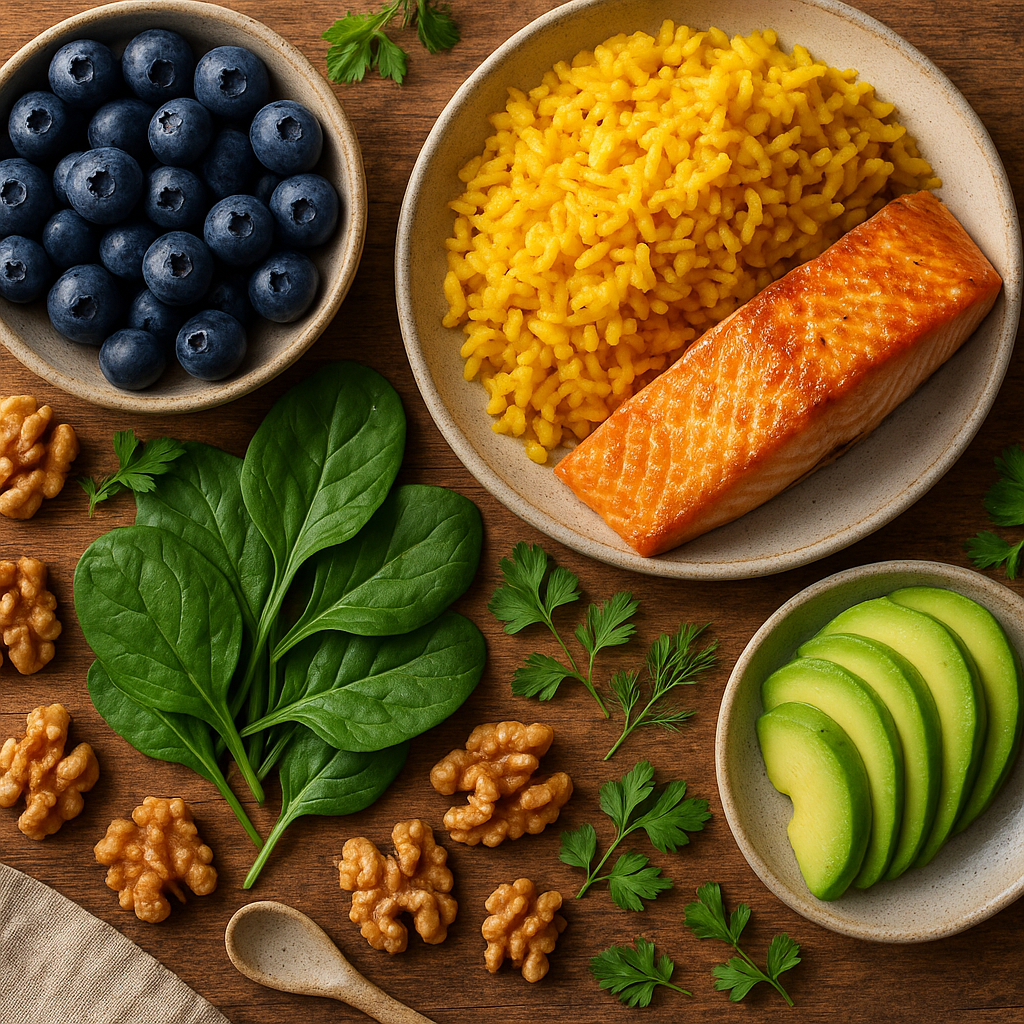
- Fatty fish: Salmon, sardines, mackerel, and anchovies are rich in omega-3 fatty acids (EPA and DHA), which are among the most potent natural anti-inflammatory compounds. Aim for at least two servings per week.
- Dark leafy greens: Spinach, kale, Swiss chard, and arugula are loaded with vitamins K and E, folate, and polyphenols that reduce oxidative stress and inflammation.
- Berries: Blueberries, strawberries, raspberries, and blackberries are high in anthocyanins — antioxidants specifically shown to reduce CRP and other inflammatory markers.
- Extra virgin olive oil: The cornerstone of the Mediterranean diet, olive oil contains oleocanthal, a compound with effects comparable to ibuprofen at typical dietary doses.
- Nuts and seeds: Walnuts, almonds, flaxseeds, and chia seeds provide healthy fats, fiber, and plant-based compounds that support immune balance.
- Legumes: Beans, lentils, and chickpeas are fiber-rich and support a diverse gut microbiome — itself a major regulator of systemic inflammation.
- Whole grains: Unlike refined grains, whole grains like oats, quinoa, and brown rice provide fiber that feeds beneficial gut bacteria and helps regulate blood sugar.
- Colorful vegetables: Bell peppers, tomatoes, beets, broccoli, and sweet potatoes each bring unique phytonutrients with anti-inflammatory properties.
How to Flush Inflammation Out of Your Body
While there’s no single “detox” that instantly eliminates inflammation, there are evidence-based strategies that can meaningfully reduce inflammatory burden over time — some of which show effects within days to weeks.
Prioritize Whole Foods Over Processed Ones
This single shift — replacing packaged, processed foods with whole, minimally processed ingredients — reduces exposure to inflammatory additives, stabilizes blood sugar, and improves gut health simultaneously.
Stay Hydrated
Adequate water intake supports lymphatic function, kidney filtration, and cellular waste removal. Plain water, herbal teas, and water-rich foods like cucumber and watermelon all contribute.

Support Your Gut
About 70% of the immune system lives in the gut, and a disrupted microbiome is a major driver of systemic inflammation. Eating fermented foods like yogurt, kefir, kimchi, and sauerkraut — alongside plenty of prebiotic fiber — nourishes beneficial bacteria and supports immune regulation.
Reduce Sugar and Alcohol Intake
These are two of the most direct dietary drivers of inflammation, and reducing them — even modestly — can produce measurable improvements in inflammatory markers within a few weeks.
Incorporate Movement
Exercise and diet work synergistically. Regular moderate exercise reduces inflammatory cytokines and improves insulin sensitivity, complementing any dietary changes you make.
The 21-Day Anti-Inflammatory Diet: Is It Worth Trying?
The concept of a 21-day anti-inflammatory eating plan has gained traction as a structured way to reset dietary habits. The timeline isn’t arbitrary — research on habit formation and gut microbiome changes suggests that meaningful shifts can occur within three weeks of consistent dietary change.
The core of most 21-day anti-inflammatory programs involves eliminating the most inflammatory foods (refined sugar, processed foods, alcohol, refined grains) while loading up on the foods detailed above. Many people report noticeable improvements in energy, skin, digestion, and joint comfort within this window.
The value isn’t just the three weeks — it’s the shift in palate and habits that often carries forward. Once your taste buds adjust to less sugar and more whole foods, the cravings that previously drove inflammatory eating patterns often diminish significantly. Simple food choices can also support digestion during this transition, making the adjustment more comfortable and sustainable.
The Bottom Line on Diet and Inflammation
Chronic inflammation isn’t inevitable, and it doesn’t require medication to address in many cases. The food choices made at every meal are casting a vote — for or against an inflammatory environment in the body. The research is clear that diets rich in whole foods, healthy fats, fiber, and antioxidants consistently reduce inflammatory markers, lower disease risk, and improve quality of life.
It’s not about perfect eating or following rigid rules. It’s about shifting the overall pattern toward foods that nourish and away from those that provoke. Small, consistent changes — swapping refined grains for whole grains, adding a serving of fatty fish each week, starting the morning with green tea instead of a sugary coffee drink — compound meaningfully over time.
Understanding the connection between what’s on your plate and what’s happening in your immune system is one of the most practical pieces of health knowledge available. And unlike many health interventions, improving your diet comes with zero side effects and a long list of benefits that extend well beyond inflammation alone.