
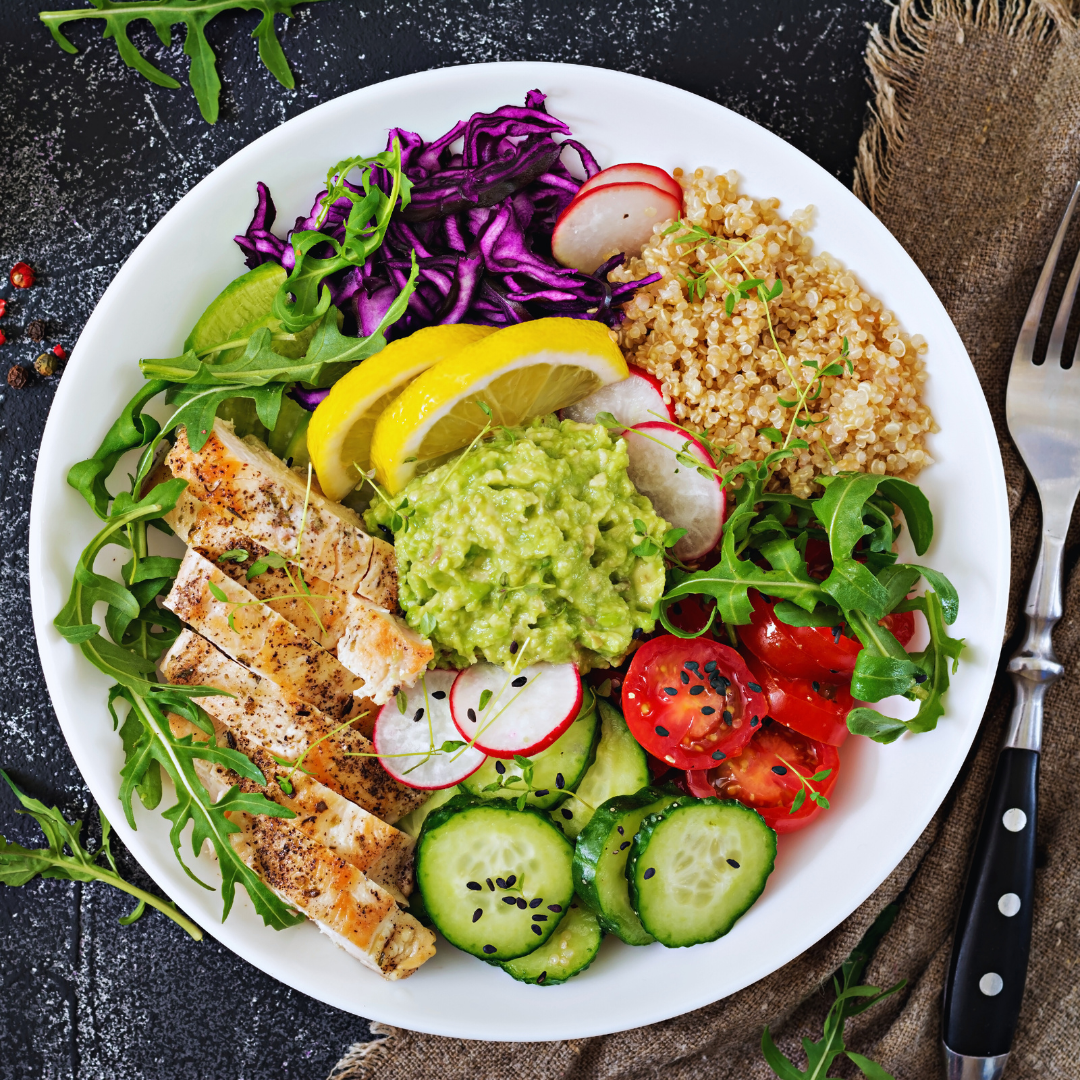
Supporting digestion through simple food choices is effective and accessible to most people. Choosing foods rich in fiber, staying hydrated, and avoiding highly processed items can significantly improve digestive health. These habits help the digestive system work smoothly and reduce common discomforts.
Understanding which foods promote good digestion makes it easier to adopt healthier eating patterns. Incorporating fruits, vegetables, whole grains, and probiotics provides the nutrients and beneficial bacteria needed for balance. This straightforward approach helps maintain regularity and supports nutrient absorption without complicated diets.
Key Principles for Supporting Digestion Through Food
Supporting digestion requires attention to how the digestive system functions, consistent hydration, and the inclusion of fiber-rich foods. These factors influence nutrient absorption, bowel movements, and overall gut health.
Understanding Digestive Health and Gut Function
Digestive health depends on the coordinated work of the digestive system, including the stomach, intestines, and accessory organs. Proper digestion breaks down food into nutrients for absorption. Disruptions in this process can cause discomfort or nutrient deficiencies.
Maintaining a healthy gut involves balancing digestive enzymes, stomach acid, and gut bacteria. These elements support efficient digestion and protect the digestive tract lining. Avoiding highly processed foods helps prevent irritation and supports natural digestive functions.
Importance of Hydration and Regular Meal Patterns
Hydration is vital for digestion as water breaks down food and facilitates smooth passage through the digestive tract. It also softens stool to prevent constipation. Drinking water consistently throughout the day supports regular bowel movements and nutrient absorption.
Eating meals at regular times helps synchronize digestive enzyme release and promotes predictable digestion patterns. Skipping meals or irregular eating can disrupt these processes, causing bloating or indigestion. Small, frequent meals may ease digestive workload in sensitive individuals.
Role of Fiber in Digestive Health
Fiber supports gut health by adding bulk to stool, which promotes regular bowel movements and reduces constipation. Both soluble and insoluble fibers play distinct roles: soluble fiber helps absorb water and nourishes beneficial gut bacteria, while insoluble fiber adds bulk and speeds food transit.
Sources of fiber include vegetables, fruits, whole grains, and legumes. Increasing fiber intake gradually allows the digestive system to adjust, minimizing gas or cramping. Maintaining adequate hydration alongside fiber intake is essential to support digestion effectively.
Top Simple Food Choices That Promote Comfort and Regularity
Certain foods can help ease digestion and support regular bowel movements. Choosing items that are gentle on the stomach and rich in fiber or protein can prevent discomfort and promote digestive health.
Easy-to-Digest Foods for Everyday Meals
Easy-to-digest foods minimize strain on the digestive system and often have low fiber content or are well-cooked. These include white rice, white bread, and cooked vegetables like spinach or pumpkin.
White rice is a bland carbohydrate that rarely causes irritation and can help firm stools. White bread, especially toasted, is generally easier to digest than whole-grain varieties. Cooked vegetables break down fiber, making them gentler on the gut compared to raw vegetables. These food choices can reduce bloating and support smooth digestion when included regularly.
The Power of Bananas, Applesauce, and White Rice
Bananas, applesauce, and white rice are often recommended during digestive upset. Bananas provide easily digestible carbohydrates and potassium, which help replace electrolytes lost during diarrhea.
Applesauce offers soluble fiber, which absorbs water and firms stools, while being less irritating than raw apples. White rice is binding and provides energy without stressing digestion. Together, they can alleviate symptoms of discomfort and promote stool regularity through balanced texture and nutrient content.
Benefits of Oatmeal, Toast, and Cooked Vegetables
Oatmeal is a valuable source of soluble fiber, which regulates digestion by feeding beneficial gut bacteria and improving stool consistency. Toast, particularly white toast, is simple to digest and can be a mild base for balanced meals.
Cooked vegetables like pumpkin and spinach soften dietary fiber, reducing possible irritation. These foods support gradual digestion and nutrient absorption. Including them encourages regular bowel movements without adding harsh fibers that can cause gas or cramps.
Lean Proteins and Plant-Based Protein Options
Lean proteins such as eggs and tofu provide necessary amino acids without adding excessive fat that can slow digestion. Eggs are easily absorbed and gentle on the stomach.
Tofu, a plant-based protein, is low in fiber but rich in protein, making it suitable for sensitive digestion. These proteins help maintain muscle mass and support overall health. Choosing lean protein sources prevents digestive discomfort often caused by greasy or heavily processed meats.
Harnessing the Gut Microbiome for Improved Digestion
Supporting digestion effectively involves nurturing the gut microbiome through specific foods. Incorporating probiotics and prebiotics, as well as understanding fermentation, plays a key role in maintaining a balanced gut flora.
Introducing Probiotics and Fermented Foods
Probiotics are live bacteria that benefit the digestive system by enhancing gut flora diversity. Common sources include yogurt, kefir, sauerkraut, and kimchi.
These foods introduce beneficial microorganisms that may aid digestion and maintain intestinal health. Yogurt with live cultures is a widely accessible probiotic source, while kefir offers a broader range of bacteria and yeasts.
Fermented foods like sauerkraut and kimchi provide not only probiotics but also organic acids and enzymes that support the digestive process. Consuming these regularly helps replenish gut bacteria, which diet or antibiotics may disrupt.
Prebiotics and Foods That Feed Good Gut Bacteria
Prebiotics are non-digestible fibers that serve as food for beneficial gut bacteria. They promote the growth and activity of probiotics, aiding digestive balance.
Common prebiotic sources include garlic, onions, leeks, asparagus, and bananas. These fibers reach the colon intact, where gut bacteria ferment them to produce short-chain fatty acids beneficial for colon health.
Including prebiotic-rich foods alongside probiotic foods creates a supportive environment for gut flora. This synergy improves digestion and can reduce digestive discomfort by fostering bacterial growth.
Fermentation and Gut Flora Balance
Fermentation is the process that transforms foods with the help of microbes, increasing their probiotic content. It helps preserve food while enhancing nutrient availability.
By fermenting vegetables or dairy, the native bacteria multiply and produce enzymes that aid digestion. This process supports a balanced gut flora, essential for nutrient absorption and immune function.
Regular consumption of fermented foods like kimchi and sauerkraut can sustain gut microbial diversity. This diversity is linked to better digestion and resistance against harmful pathogens.
Managing Digestive Discomfort and Common Issues Through Diet
Certain foods can ease digestive discomfort, while others may trigger or worsen symptoms. Adjusting diet to include soothing ingredients and avoiding irritants plays a key role in managing common gastrointestinal issues and improving digestion.
Soothing Foods for Bloating, Indigestion, and Acid Reflux
Foods like ginger and peppermint help reduce bloating and nausea by relaxing the digestive tract and improving enzyme activity. Herbal teas containing these can calm acid reflux and indigestion without medication.
Low-acid fruits such as bananas and melons are gentle on the stomach and help neutralize stomach acid, reducing reflux symptoms. Consuming small, frequent meals rather than large portions also lowers discomfort risk.
Including antioxidant-rich vegetables like spinach and zucchini supports gut lining health. Avoiding spicy foods and acidic foods such as citrus and tomatoes prevents irritation in sensitive individuals.
Dietary Considerations for IBS, Constipation, and Diarrhea
For irritable bowel syndrome (IBS), a low-FODMAP diet often reduces symptoms by limiting fermentable carbohydrates that cause bloating and diarrhea. Incorporating soluble fiber sources like oats and carrots eases constipation without worsening IBS.
Hydration is essential, especially for constipation, as it softens stools and promotes regular bowel movements. Probiotic-rich foods support a balanced gut microbiome, helping regulate bowel function.
Avoiding excessive red meat and processed foods can prevent flare-ups in IBS and reduce gastrointestinal inflammation. Monitoring and adjusting fiber intake based on symptoms is crucial.
Limiting Foods That Can Hinder Digestion
Artificial sweeteners, often found in sugar-free products, can cause diarrhea and bloating by altering gut bacteria. Highly processed foods are harder to digest and often lack beneficial nutrients like digestive enzymes.
Red meat, due to its fat content and long digestion time, may lead to slow digestion and discomfort if consumed excessively. Spicy foods and acidic foods can exacerbate acid reflux and irritation in the digestive tract.
Limiting alcohol intake is advisable, as it interferes with digestion and can worsen gastrointestinal issues like nausea and vomiting. Choosing whole, minimally processed foods enhances digestion naturally.
Professional Guidance for Persistent Gastrointestinal Issues
If digestive discomfort persists despite dietary changes, consulting a dietitian can provide personalized advice tailored to specific conditions like gastroparesis or chronic IBS. They assess triggers and recommend suitable food choices and supplements.
Medical evaluation is essential for persistent symptoms such as severe vomiting or unexplained weight loss. A healthcare professional can test for digestive disorders and recommend interventions beyond diet.
Working with a specialist ensures safe use of digestive enzymes, probiotics, or medication when necessary to support the digestive system and improve quality of life.
Leave a Reply