
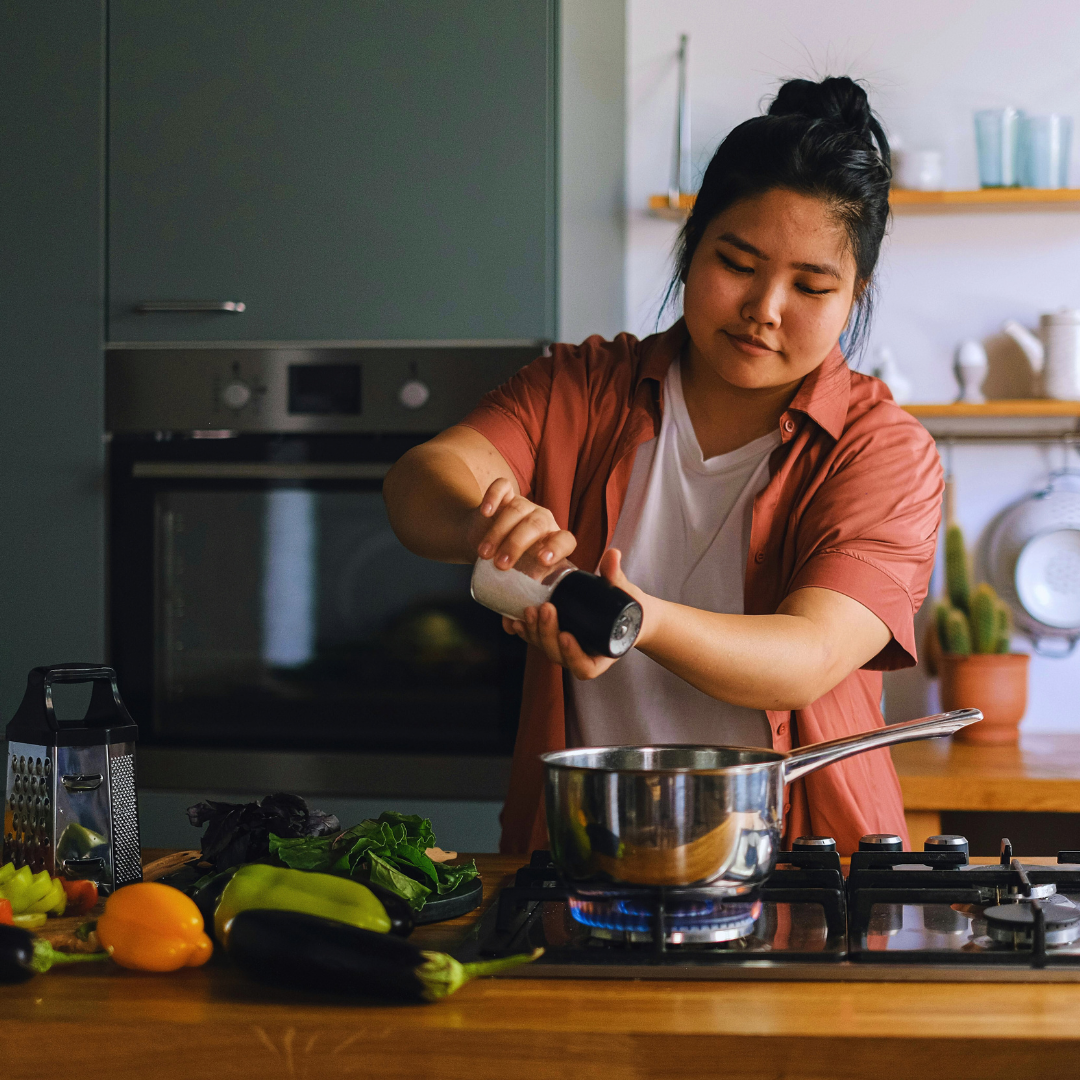
Cooking at home offers clear advantages for overall health. It allows individuals to control ingredients, portion sizes, and cooking methods, reducing the intake of unhealthy fats, sugars, and additives commonly found in restaurant or processed foods. This control directly supports better nutrition and can lead to improved physical well-being.
Aside from nutrition, preparing meals at home encourages a balanced diet rich in whole foods like vegetables, fruits, and lean proteins. It also fosters mindful eating habits that contribute to digestive health and weight management. Cooking at home can reduce reliance on highly processed options, which often contain excessive sodium and preservatives linked to chronic health issues.
By making meals from scratch, people also have the opportunity to respond to specific dietary needs or restrictions. This personalized approach to eating can enhance energy levels, immune function, and overall vitality. Regularly cooking at home is a practical way to build healthier lifestyle habits over time.
Nutritional Benefits of Cooking at Home
Cooking at home allows for precise control over what goes into each meal. It supports healthier choices by focusing on whole ingredients, fresh produce, and balanced nutrition.
Control Over Ingredients
When cooking at home, individuals can select nutrient-dense ingredients such as fresh vegetables, whole grains, beans, and fruits. This control reduces the use of processed additives, excess sodium, and unhealthy fats common in restaurant or pre-packaged foods.
They can also choose healthier fats like olive oil instead of trans fats or highly processed oils. Controlling spices and seasonings ensures meals are flavorful without relying on excessive salt or sugar. This ability helps maintain iron intake and other essential nutrients by choosing nutrient-rich components.
Healthier Food Choices and Cooking Techniques
Home cooking often involves steaming, baking, or grilling instead of frying, which reduces added oils and calories. These techniques preserve vitamins and minerals, maintaining the nutritional value of ingredients.
Choosing fresh produce and whole ingredients increases fiber and antioxidant consumption. Preparing meals from scratch reduces dependence on processed foods, allowing for clean nutrition that supports overall health.
Portion Control and Calorie Management
Preparing meals at home allows better regulation of portion sizes, which helps manage calorie intake effectively. Individuals can use smaller plates or measure ingredients to avoid overeating.
Portion control aids in weight maintenance and supports balanced blood sugar levels. It also enables adjusting meals to fit specific dietary needs, whether for reduced calories or increased nutrients.
Meal Preparation for Balanced Diets
Meal preparation at home encourages planning balanced meals with protein, healthy fats, and complex carbohydrates. Including beans, whole grains, vegetables, and fruits ensures adequate nutrient distribution.
Regular meal prep helps maintain consistency in diet quality and variety. It also supports iron intake by combining plant-based sources with foods that enhance absorption, optimizing overall nutrition.
Physical and Mental Health Advantages
Cooking at home allows individuals to control ingredients, portion sizes, and cooking methods, directly influencing their physical and mental well-being. This practice supports healthier eating habits, reduces chronic disease risk, and can improve emotional balance.
Supporting Weight Management
Preparing meals at home enables better portion control and the inclusion of nutrient-dense foods. Unlike restaurant meals, home cooking often contains fewer added sugars, unhealthy fats, and excess calories.
By selecting fresh ingredients and limiting processed foods, people can create a balanced diet that supports sustainable weight management. Home-cooked meals help avoid hidden calories found in large portions or calorie-dense takeout options.
Consistent home cooking encourages mindful eating, which can reduce overeating and promote a healthier body weight over time.
Reducing Risk of Chronic Diseases
Cooking at home allows for the careful selection of heart-healthy ingredients such as vegetables, whole grains, and lean proteins. This practice helps decrease intake of sodium, saturated fats, and trans fats, lowering the risk of heart disease and other chronic conditions.
Control over cooking methods like baking, steaming, or grilling also helps maintain nutrient quality. People can avoid excessive use of harmful additives and preservatives found in many processed foods.
A diet focused on whole, minimally processed foods prepared at home supports long-term health and reduces the likelihood of conditions like diabetes and hypertension.
Enhancing Mental Well-Being
Engaging in home cooking has been linked to improved mental health by providing a sense of accomplishment and a creative outlet. It can reduce stress through the focused task of meal preparation.
This activity also fosters better eating habits, which positively influence brain function and mood. Preparing meals at home often leads to shared social experiences, enhancing emotional connections and overall well-being.
Regular cooking routines can offer structure and purpose, contributing to reduced symptoms of anxiety and depression.
Cost and Lifestyle Benefits
Cooking at home can lead to practical financial savings and enhance daily routines. It encourages smart shopping, better use of ingredients, and skill development that fits various lifestyles.
Saving Money on Groceries and Dining
Preparing meals at home significantly reduces expenses compared to eating out or ordering takeout. By buying ingredients in bulk and planning meals ahead, individuals can lower grocery bills by up to 30-50%.
Home cooks avoid markups commonly found in restaurants, such as service charges and packaging fees. They also control portion sizes, minimizing food waste and unnecessary purchases. Using seasonal and local produce further cuts costs while improving freshness and nutrition.
Effective Use of Leftovers
Leftovers provide a natural, cost-effective way to extend meals without buying new ingredients. Proper storage techniques, like airtight containers and timely refrigeration, help keep food safe and fresh longer.
Repurposing leftovers into new dishes—such as soups, stir-fries, or salads—reduces the need for extra groceries and lessens food waste. This practice aligns with saving money and supports sustainable habits in the kitchen.
Developing Culinary Skills and Creativity
Cooking at home builds essential culinary skills, from knife handling to flavor balancing. These skills enhance food quality and health efficiency by allowing customization of recipes and ingredient choices.
Experimenting with different spices, cooking methods, and cuisines fosters creativity. This can transform routine meals into enjoyable experiences and encourages trying healthier alternatives, increasing satisfaction and reducing reliance on processed foods.
Leave a Reply