

There’s a reason fermented foods keep showing up in conversations about health. From kimchi to kefir, kombucha to miso, these ancient foods have been staples in cultures around the world for thousands of years — long before anyone used words like “microbiome” or “immunomodulation.” But now that science has started catching up, the picture forming is genuinely fascinating.
So what actually happens when you eat fermented foods? How does a jar of sauerkraut or a bowl of yogurt connect to something as complex as your immune system? The short answer is: it’s mostly about your gut. The longer answer involves a web of bacteria, metabolites, inflammatory signals, and microbial diversity that researchers are still working hard to untangle.
This article breaks down what the science actually says — not the hype, not the oversimplification — just a clear look at the relationship between fermented foods and immune function.
The Gut-Immune Connection: Why It Matters So Much
It might surprise you to learn that roughly 70 to 80 percent of your immune system is located in your gut. More specifically, in the gut-associated lymphoid tissue (GALT), which lines your digestive tract and acts as a constant surveillance system for pathogens, foreign particles, and potential threats.
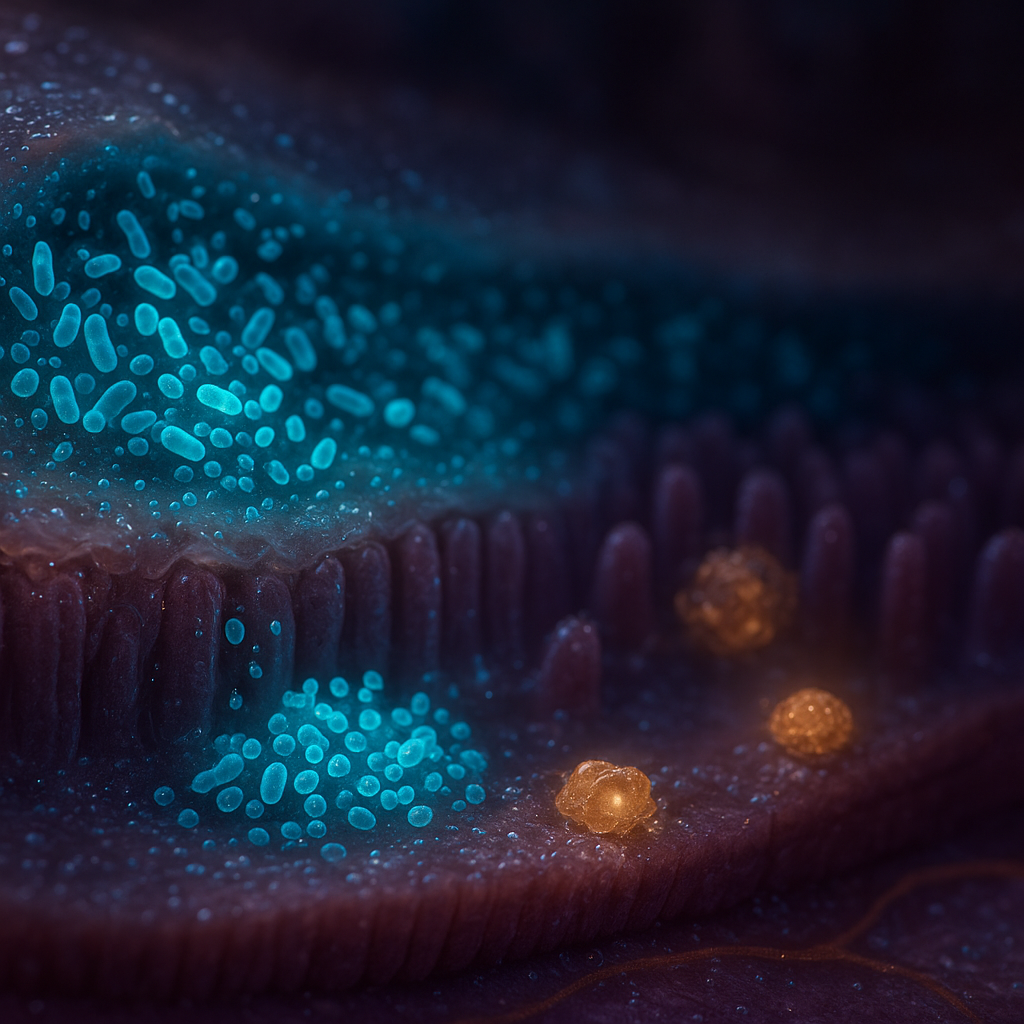
Your gut microbiome — the trillions of bacteria, fungi, and other microorganisms living in your intestines — plays a central role in training and regulating that immune system. A diverse, balanced microbiome helps the immune system distinguish between harmless substances and genuine threats. When that balance is disrupted (a state called dysbiosis), immune responses can become erratic, either under-reacting or overreacting. Chronic inflammation, allergies, and autoimmune conditions have all been linked to microbiome imbalances.
This is where fermented foods enter the conversation. Because they’re rich in live microorganisms — primarily beneficial bacteria like Lactobacillus and Bifidobacterium — they have the potential to influence the gut environment directly.
What Fermented Foods Actually Do Inside Your Body
Fermented foods affect the body through several distinct mechanisms. Understanding these helps make sense of why they have such broad-reaching effects rather than acting like a targeted drug.
They Introduce Beneficial Microorganisms
When you eat a fermented food that contains live cultures — like yogurt, kefir, or unpasteurized kimchi — you’re introducing live bacteria into your digestive system. These bacteria don’t necessarily take up permanent residence (the gut microbiome is surprisingly resistant to large-scale colonization), but they do interact with your existing microbial community and intestinal cells as they pass through.
This transient interaction can still have real effects. Live bacteria in fermented foods have been shown to stimulate immune cells in the gut lining, promote the production of secretory IgA (an antibody that helps protect mucosal surfaces), and produce short-chain fatty acids (SCFAs) that feed the cells lining the colon and reduce inflammation.
They Help Reduce Inflammatory Markers
A landmark 2021 study published in Cell by researchers at Stanford University found that a high-fermented-food diet over 10 weeks increased microbiome diversity and decreased markers of immune activation in human participants. Specifically, 19 inflammatory proteins decreased — including interleukin-6 (IL-6), which is associated with conditions like rheumatoid arthritis and Type 2 diabetes.
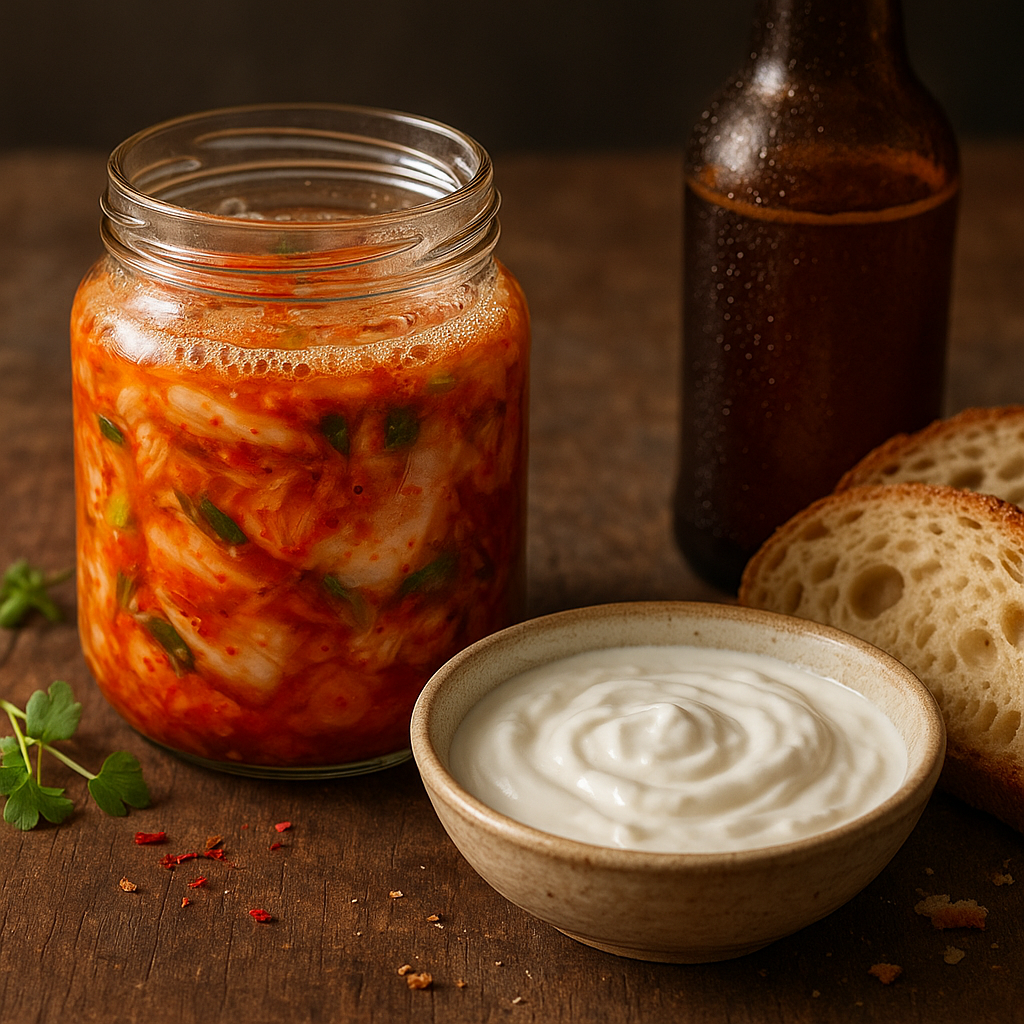
This was a significant finding. The comparison group, which consumed a high-fiber diet, didn’t show the same decrease in inflammatory markers (though fiber has its own important benefits). The fermented food group showed consistent reductions in systemic inflammation, suggesting a direct dietary pathway to immune modulation.
They Support Microbial Diversity
One of the most consistent findings in microbiome research is that diversity is a marker of gut health. A greater variety of microbial species tends to correlate with better immune function, lower rates of chronic disease, and more resilient responses to illness. Fermented foods, by introducing a rotating cast of different bacterial strains, appear to nudge the microbiome toward greater diversity over time — particularly when consumed regularly.
Are Fermented Foods Effective Against Inflammatory Diseases?
This is one of the most actively studied questions in nutrition science right now. The evidence is genuinely promising, but it’s important to frame it correctly. Fermented foods aren’t medicine. They don’t treat or cure inflammatory diseases. But they do appear to influence the inflammatory environment in the body in ways that could be meaningful for long-term health.
Research published in journals like Nutrients and Frontiers in Immunology has looked at fermented foods in the context of conditions including irritable bowel syndrome (IBS), inflammatory bowel disease (IBD), Type 2 diabetes, and metabolic syndrome. The results are mixed but generally point in a positive direction, particularly for gut-specific inflammation.
Fermented dairy products like kefir have shown particular promise. Several studies have found that regular kefir consumption reduces markers of intestinal permeability — what some people loosely call “leaky gut” — which is thought to contribute to systemic inflammation when unaddressed.
The Healthiest Fermented Foods: What’s Actually Worth Eating
Not all fermented foods are created equal, especially when it comes to immune benefits. The key factor is whether the food still contains live, active cultures by the time you eat it. Pasteurization kills bacteria — which means many commercially processed fermented products (like most store-bought sauerkraut in jars or pickles made with vinegar) don’t deliver the same probiotic benefits as their traditionally made counterparts.
Here are some of the most well-studied and widely available options:
- Yogurt: One of the most accessible fermented foods, particularly varieties labeled “live and active cultures.” Rich in Lactobacillus and Bifidobacterium strains, and strongly associated with gut health benefits in the research literature.
- Kefir: A fermented milk drink with a broader range of bacterial strains than most yogurts, plus some beneficial yeasts. Particularly useful for those with lactose sensitivity, as fermentation breaks down much of the lactose.
- Kimchi: A Korean fermented vegetable dish (usually cabbage-based) packed with Lactobacillus kimchii and other lactic acid bacteria. Also high in fiber, vitamins C and K, and antioxidants.
- Sauerkraut: Fermented cabbage that delivers a good dose of probiotics alongside vitamins and fiber — as long as it’s unpasteurized and kept refrigerated.
- Miso: A fermented soybean paste widely used in Japanese cooking. Contains live cultures along with a range of beneficial compounds from the soybeans themselves.
- Kombucha: A fermented tea beverage that contains live bacteria and yeasts. The research on kombucha is less robust than for dairy-based ferments, but it does appear to have prebiotic and antimicrobial properties.
- Tempeh: Fermented soybeans pressed into a firm cake. High in protein, fiber, and beneficial microorganisms, with a more complete amino acid profile than most plant proteins.
Is Greek Yogurt a Fermented Food?
Yes — Greek yogurt is absolutely a fermented food. It’s made by fermenting milk with bacterial cultures, then straining out the whey to produce a thicker, creamier product. As long as the label indicates “live and active cultures,” Greek yogurt contains beneficial bacteria and delivers the same gut health benefits as regular yogurt, just in a more concentrated, protein-rich form.
Is Apple Cider Vinegar a Fermented Food?
Apple cider vinegar (ACV) does go through a fermentation process — first alcoholic fermentation (apples to hard cider), then acetic acid fermentation (cider to vinegar). So technically, yes, it’s fermented. However, most commercially produced ACV is pasteurized, which eliminates live cultures. The murky “mother” found in raw, unfiltered ACV contains some beneficial bacteria and enzymes, but the overall probiotic content is far lower than in yogurt or kimchi. ACV has its own set of potential health benefits (particularly related to blood sugar regulation), but it’s not a reliable probiotic source in the same way that dairy or vegetable ferments are.
Who Should Be Cautious with Fermented Foods?
For the vast majority of healthy people, fermented foods are extremely safe and beneficial. But there are a few situations where caution is warranted.
- People with histamine intolerance: Fermented foods are naturally high in histamine, which can trigger symptoms like headaches, flushing, or digestive discomfort in people who have difficulty breaking it down.
- Those on certain medications: Fermented foods — particularly aged cheeses and fermented meats — contain tyramine, which can interact dangerously with MAO inhibitor antidepressants.
- Immunocompromised individuals: People undergoing chemotherapy or with compromised immune function should consult a healthcare provider before consuming foods with live bacterial cultures, as there is a small theoretical risk of infection.
- People with IBS or SIBO: Some individuals with small intestinal bacterial overgrowth (SIBO) or sensitive digestive systems find that fermented foods worsen bloating or discomfort, at least initially.
Can Eating Kimchi Every Day Destroy Gut Bacteria?
This concern occasionally surfaces online, but the evidence doesn’t support it. Eating kimchi every day is not known to destroy beneficial gut bacteria — quite the opposite. The lactic acid bacteria in kimchi actually help support a healthy microbial environment. That said, kimchi is high in sodium, so eating very large quantities daily could have implications for blood pressure in salt-sensitive individuals. Moderation and variety remain the most sensible approach: kimchi is a wonderful addition to a regular diet, but relying on any single food as a health strategy has its limits.
How to Add More Fermented Foods to Your Diet
The good news is that you don’t need to overhaul your entire diet to benefit from fermented foods. Research suggests that consistency matters more than quantity. A small serving of a fermented food each day is likely more beneficial than occasional large amounts.
Some easy ways to incorporate them regularly:
- Swap regular yogurt for a plain, live-culture version at breakfast or as a snack
- Add a spoonful of kimchi or sauerkraut as a side or topping for grain bowls, eggs, or sandwiches
- Use miso paste to make a simple broth or as a seasoning in salad dressings
- Replace sugary drinks with kombucha for a probiotic-rich fizzy option
- Use tempeh as a protein source in stir-fries or grain bowls
Starting slowly is smart, especially if your current diet is low in fiber and fermented foods. Introducing a lot of new bacteria and fermentable material into the gut at once can cause temporary bloating or digestive adjustment. Giving your body a week or two to adapt usually resolves this.
The Bottom Line
The relationship between fermented foods and the immune system is one of the more exciting areas of nutrition science right now — and the evidence, while still evolving, is meaningfully positive. Fermented foods support immune function primarily through their effects on the gut microbiome: introducing beneficial bacteria, reducing inflammatory markers, supporting microbial diversity, and strengthening the gut lining.
The best approach is straightforward: choose fermented foods that still contain live cultures (check the label), eat them consistently rather than sporadically, and treat them as one valuable component of a broader diet rich in whole foods, fiber, and variety. No single food is a cure-all, but fermented foods have earned their reputation as genuinely functional additions to a healthy diet — and the science behind that reputation keeps getting stronger.