
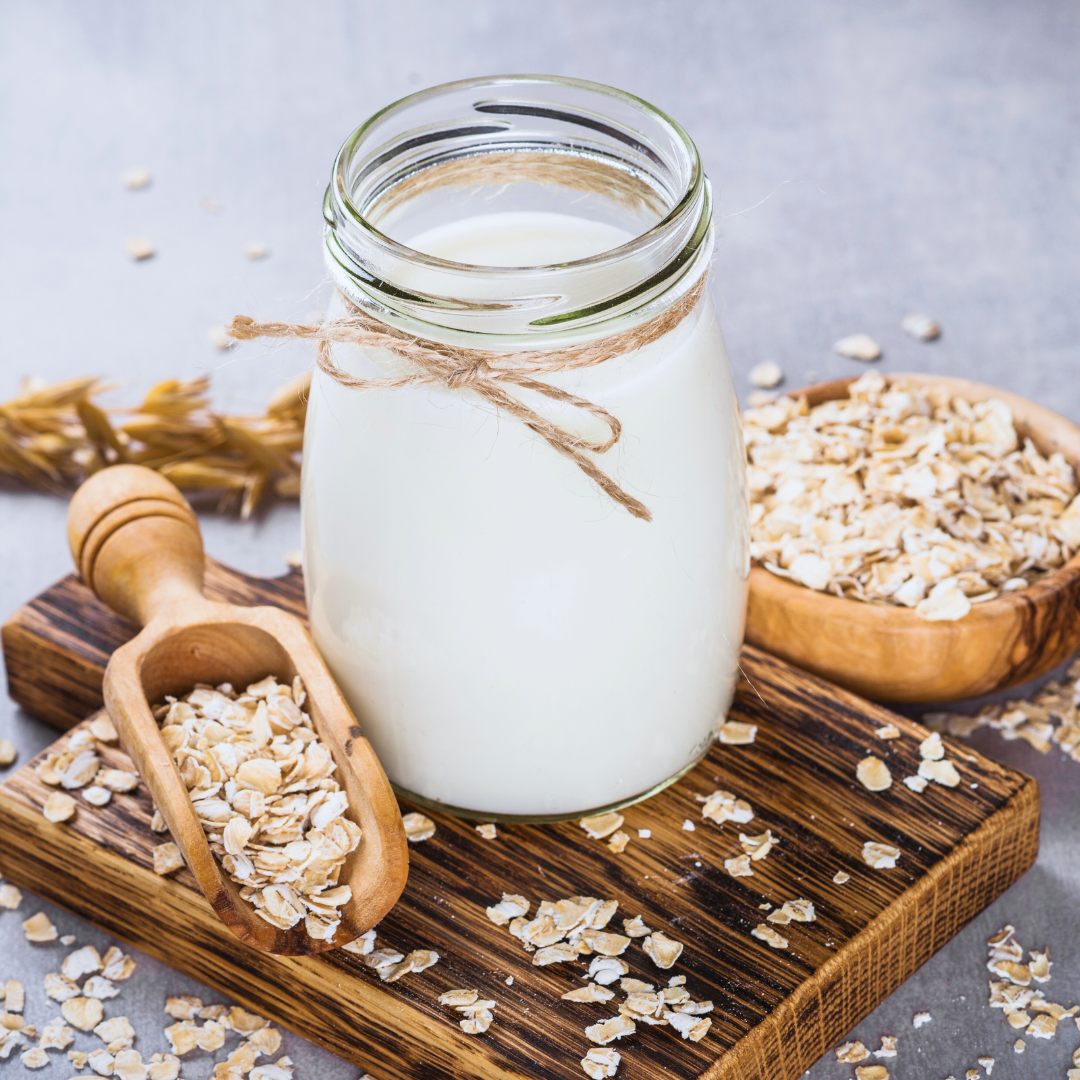
Alternative milks have grown steadily in popularity as people seek dairy-free options for health, environmental, or ethical reasons. From almond to oat to soy, each type offers unique flavors and nutritional profiles suited for different uses.
They are best chosen based on dietary needs, taste preferences, and the intended recipe, as some alt-milks work better in coffee, baking, or smoothies than others. Understanding these differences helps consumers make informed choices that fit their lifestyle and cooking habits.
This article will explore why alt-milks have become so popular and guide readers on when to pick specific varieties for optimal taste and nutrition.
The Rise and Popularity of Alt-Milks
Alternative milks have gained traction due to shifting consumer values, environmental concerns, and greater availability in mainstream markets. Their appeal spans health, ethics, and taste preferences, influencing a broad range of buyers and industries. Innovation and marketing have further embedded these products in daily consumption habits.
Cultural and Social Drivers
Growing awareness of lactose intolerance and dairy allergies has pushed many toward plant-based milks. Dietary trends like veganism and flexitarianism emphasize cruelty-free and healthier options, increasing demand for alt-milks.
Social media platforms play a crucial role in popularizing these products by sharing recipes and endorsing lifestyle benefits. Environmental concerns, particularly about greenhouse gas emissions from dairy farming, have also motivated consumers to choose alternative milks.
Mainstream Consumer Adoption
Alt-milks are now common in grocery stores and coffee shops globally. Consumers look for options such as oat, almond, and soy milk not only for dietary reasons but also due to diverse flavors and textures.
Coffee chains have integrated alt-milks prominently, responding to customer requests for dairy-free lattes and cappuccinos. This accessibility helps convert curious buyers into regular users, expanding alt-milk consumption beyond niche markets.
Role of Brands and Innovation
Brands like NotCo leverage technology to develop plant-based milks with improved taste and sustainability profiles. Innovation includes using alternative sources such as peas or nuts to mimic the creaminess and protein content of cow’s milk.
Marketing strategies emphasize transparency, sustainability, and health benefits. Packaging and branding efforts also highlight eco-friendliness, appealing to a consumer base increasingly focused on responsible choices.
Types of Alt-Milks and Their Distinct Uses
Alt-milks vary widely in flavor, texture, and nutritional content. Choosing the right one depends on the intended use, such as cooking, drinking, or frothing for coffee.
Oat Milk and Its Applications
Oat milk has a naturally creamy texture and mild sweetness. It excels in coffee and tea due to its ability to froth well, making it a popular choice in barista blends.
Its neutral flavor suits baking and cereal without overpowering other ingredients. Oat milk is also favored for smoothies as it adds thickness without heaviness.
It tends to contain more carbohydrates than nut milks, making it a good choice for energy. Often fortified with calcium and vitamins, oat milk can provide a balanced nutritional profile.
Almond, Soy, and Coconut Varieties
Almond milk is light and slightly nutty, ideal for cold drinks, cereals, and light baking. It has low calories but often less protein than dairy.
Soy milk is higher in protein and denser, making it practical for cooking, sauces, and savory dishes. Its neutral flavor can mimic cow’s milk in many recipes.
Coconut milk has a distinct tropical flavor and creamy texture. It’s excellent in curries, desserts, and coffee, but can overwhelm other flavors if used excessively.
Each option serves different dietary needs, with soy prioritized for protein and almond for low calories.
Nut and Seed-Based Options
Nut milks extend beyond almond with cashew, pecan, and macadamia varieties. These tend to be richer and creamier, suitable for adding depth to smoothies or coffee.
Hemp milk, a seed-based option, offers a slightly earthy flavor and contains omega-3 fatty acids. It performs well in cereals and cold beverages but is less common in hot applications due to its subtle taste.
Most nut and seed milks are low in protein but can be fortified. They provide alternative flavors and textures without dairy allergens.
Emerging and Specialty Blends
Blends combining ingredients like oat, pea protein, and nuts target both nutrition and mouthfeel. Pea protein-based milks enhance protein content without strong aftertastes.
Barista blends are specifically formulated for frothing and latte art, often mixing oat and almond or oat and pea proteins. These are designed to mimic dairy milk’s performance in espresso drinks.
Specialty alt-milks may include added flavors like vanilla or chocolate, broadening their culinary application. These blends cater to diverse consumer preferences and dietary restrictions.
Nutritional and Environmental Considerations
Plant-based milks vary in their nutrition, environmental impact, and suitability for different diets. Consumers should weigh these factors when choosing between dairy alternatives, ensuring the options align with their health goals and ecological values.
Nutritional Profiles and Health Benefits
Alt-milks differ widely in calories, protein, vitamins, and minerals. Soy milk is notable for its high protein content, roughly 7 grams per cup, close to cow’s milk. Almond, oat, and rice milks typically provide less protein, often under 2 grams per cup.
Many are fortified with calcium, vitamin D, and B12, making them comparable to dairy in nutrient content. However, some products contain added sugars, which may negatively impact overall health. Unsweetened versions offer a better option for those monitoring sugar intake.
Sustainability and Greenhouse Gas Emissions
Plant-based milks generally have a lower carbon footprint than dairy. Almond and oat milks produce significantly fewer greenhouse gas emissions compared to cow’s milk. Almond cultivation requires considerable water, while oat milk tends to use less water overall.
Rice milk has a higher methane emission impact than other alt-milks due to rice paddies. Choosing alt-milks from sustainable sources reduces environmental strain. Whole foods often promote varieties with transparent sourcing and lower environmental impact.
Considerations for Dietary Needs
Alt-milks suit various diets, including vegan, lactose-intolerant, and dairy-allergic individuals. Soy milk is a complete protein source, beneficial for plant-based eaters. Nut milks can trigger allergies in sensitive individuals, warranting caution.
Those with gluten intolerance should avoid oat or barley-based milks unless labeled gluten-free. Some alt-milks contain additives for texture or flavor that may not align with strict dietary needs. Reading labels is essential to match product contents with individual requirements.
Additives and Labeling
Many dairy alternatives contain emulsifiers, stabilizers, and sweeteners to enhance taste and shelf life. Common additives include carrageenan, gellan gum, and dipotassium phosphate. Some consumers prefer products with minimal or no additives.
Labels can be confusing; terms like “organic” or “non-GMO” do not guarantee fewer additives. Nutrient fortification is not always consistent across brands. Consumers should review ingredient lists closely to select alt-milks that fit their preferences for natural ingredients and nutritional value.
Best Practices: When and How to Use Alt-Milks
Alt-milks vary widely in flavor, texture, and heat tolerance, which affects how they perform in different uses. Selecting the right type depends on the application, whether it involves coffee preparation, cooking, or everyday consumption.
Coffee and Barista Applications
Barista blends are specifically formulated alt-milks designed to froth well and hold texture under heat, making them ideal for coffee shops. Popular choices include oat and almond barista blends, which have proteins and fats that mimic dairy milk’s creaminess.
Regular alternative milks may separate or curdle when added to hot coffee. For this reason, barista versions provide stability and better mouthfeel. Soy milk and oat milk often produce a smooth froth, while coconut milk can introduce a subtle sweetness but may be less stable.
For lattes, cappuccinos, and espresso drinks, selecting alt-milks labeled “barista” or “barista blend” ensures consistent performance and taste that complements coffee without overpowering it.
Cooking and Baking Substitutions
Different alt-milks behave uniquely in recipes depending on fat content and thickness. Soy milk’s neutral flavor and creamy texture make it a reliable choice for baking and sauces. It provides moisture and structure similar to cow’s milk.
Almond milk and rice milk are thinner and less creamy, which can affect baked goods’ texture and rise. Using them may require recipe adjustments, such as adding extra fat or thickener.
Coconut milk adds rich flavor and fat, suitable for curries and desserts, but less ideal for baking products needing a mild taste. When substituting, matching fat and sweetness levels is key.
Everyday Use and Consumer Tips
Everyday consumers should select alt-milks based on taste preference, nutritional needs, and intended use. Unsweetened varieties avoid added sugars, while flavored versions work well in smoothies or cereals.
Storing alt-milks properly after opening extends shelf life. Most refrigerated cartons last 7-10 days once opened. Shake well before use to redistribute settled contents.
For drinking straight or with cereal, oat and soy milk are common favorites. Those with allergies may choose hypoallergenic options like hemp or pea milk. Consumers should check labels for fortification with calcium and vitamins to maintain balanced nutrition.
Leave a Reply