
Leftover vegetables can quickly pile up, leading to waste and missed opportunities for tasty meals. Many people find it challenging to use these vegetables before they spoil, but there are simple ways to transform them into flavorful dishes.
Using leftover vegetables creatively involves combining them into soups, stir-fries, or roasted blends that enhance their taste and texture while reducing food waste. These methods require minimal effort and can turn small amounts of various vegetables into satisfying additions to any meal.
By understanding practical techniques like blending, seasoning, and repurposing, anyone can make the most of their kitchen scraps. This approach not only saves money but also encourages more sustainable cooking habits.
Top Creative Ways to Use Up Leftover Vegetables
Using leftover vegetables in simple, flavorful dishes can prevent waste and add nutrition to meals. Combining ingredients like carrots, celery, potatoes, and fresh herbs creates versatile options suited for different mealtimes.
Hearty Vegetable Soups and Stews
Leftover veggies such as onions, garlic, carrots, and potatoes make an excellent base for vegetable soup. Adding beans or tomatoes boosts protein and flavor. Simmering these ingredients creates a filling meal that can be customized with herbs like basil, oregano, and dill.
For a quick soup, sauté onions and garlic first, then toss in diced carrots, celery, and any remaining potatoes or broccoli. Add broth and cook until tender. Fresh herbs and a splash of lime juice refresh the dish before serving.
Stews offer a thicker, heartier option by incorporating denser vegetables and additional protein sources like beans or tofu. Leftover vegetables add texture and depth without extra effort.
Savory Frittatas and Scrambled Eggs
A vegetable frittata is an efficient way to use leftover roasted or sautéed veggies such as bell peppers, mushrooms, and onions. Whisked eggs combined with Parmesan cheese and fresh chives create a textured base rich in protein.
Roast vegetable frittata recipes often include potatoes and slight seasoning with dill or basil. Cooking the vegetables before adding eggs ensures even cooking and enhances flavors. Scrambled eggs with mixed vegetables work similarly for a faster option.
Adding herbs and cheeses makes the dish flavorful without extra sauces. This approach uses small vegetable bits that might not stand alone but blend well in eggs.
Quick Stir-Fries and Sautés
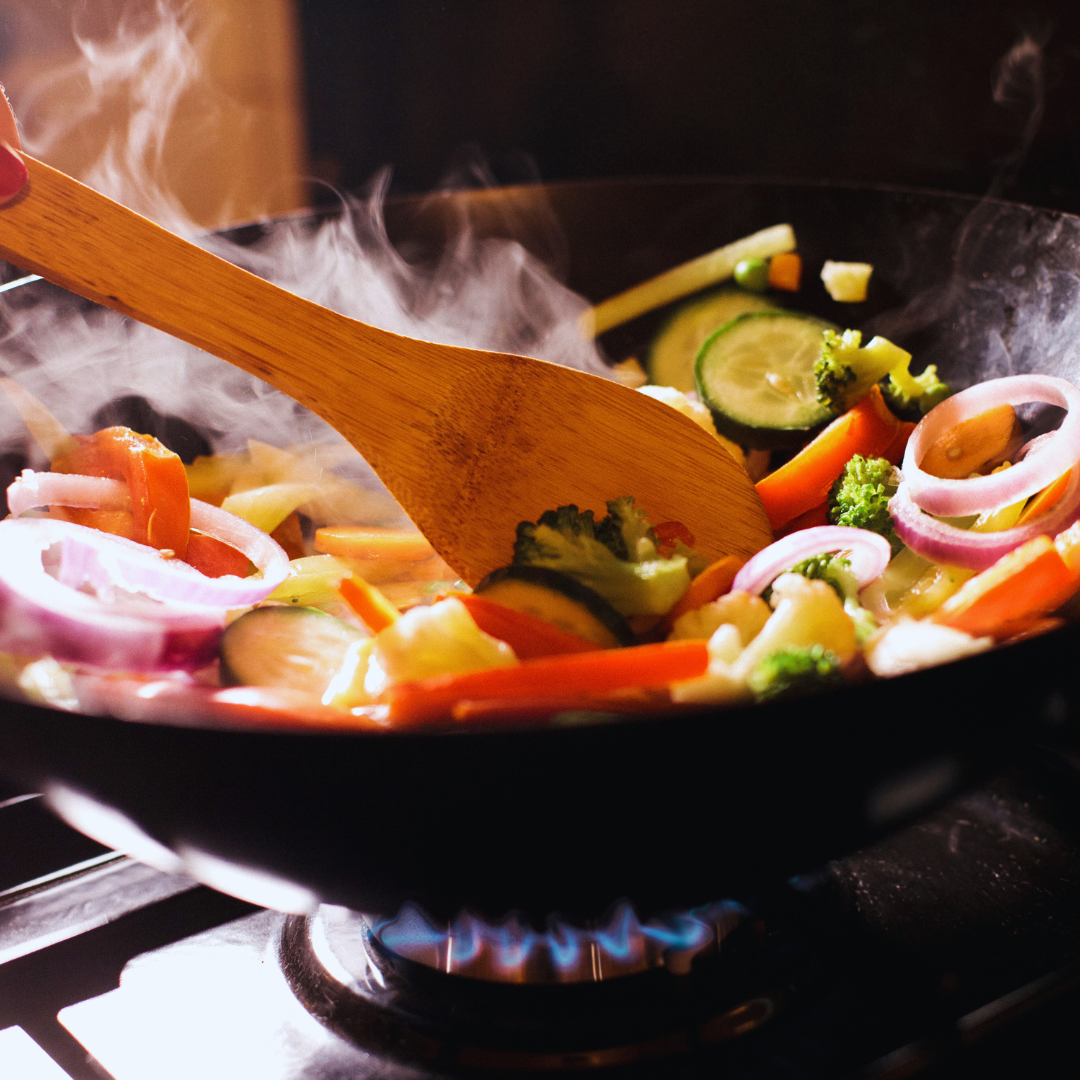
Stir-fried vegetables make a fast, nutritious meal using leftover carrots, broccoli, bell peppers, and onions. Heat garlic and onions in a pan, then add chopped veggies, cooking until tender but crisp.
Adding tofu or beans increases protein content. Seasoning with fresh herbs, lime juice, or a splash of soy sauce keeps the dish light, yet flavorful.
Stir-fries adapt easily to whatever vegetables are available, making it ideal for small or mixed amounts. Serving with rice or noodles turns it into a complete meal quickly.
Flavorful Vegetable Tacos
Vegetable tacos made with flour tortillas use leftover veggies like mushrooms, onions, bell peppers, and tomatoes as filling. Sauté the vegetables with garlic and fresh herbs such as cilantro and oregano for a bright taste.
Add avocado slices and a squeeze of lime juice for creaminess and balance. Beans or tofu serve as protein options. Toppings like shredded parmesan cheese or chives bring extra flavor.
This meal transforms scraps into handheld dishes that are simple, fresh, and customizable for any leftover mix.
Inspiring Recipes and Meal Ideas
Leftover vegetables can be transformed into satisfying, nutritious meals using simple, adaptable recipes. Combining grains, beans, and fresh herbs enhances flavor and texture while maintaining healthy, balanced dishes.
Comforting Vegetable Fried Rice and Grain Bowls
Vegetable fried rice is an efficient way to use chopped, leftover veggies like carrots, peas, and bell peppers. Stir-fry these with cold cooked brown rice or quinoa, adding scrambled eggs or tofu for protein. Soy sauce or lemon juice adds a savory, bright finish.
Grain bowls offer flexibility: layer roasted sweet potatoes, sautéed greens, beans, and grains. Add a drizzle of tahini sauce or sprinkle fresh chives and parsley to elevate the taste. These bowls are ideal for meal prep, storing well for quick lunches or dinners.
Nutritious Buddha Bowls
Buddha bowls center on a base of grains such as quinoa or brown rice. They mix raw or roasted vegetables—like sauerkraut and roasted sweet potatoes—with legumes like lentils or beans for protein.
They often include vibrant vegetables and a creamy sauce. For example, tahini sauce with lemon juice adds flavor and moisture. Chopped herbs like parsley enrich the aroma, while a variety of colors and textures make each bowl appealing and balanced.
Easy Vegetable Muffins and Fritters
Vegetable muffins are a portable and tasty way to use grated or finely chopped veggies mixed into a basic savory batter. Ingredients like zucchini, carrots, or spinach blend well with cheese or herbs such as chives.
Vegetable fritters can be made by combining mashed vegetables with beans or lentils as a binder. Pan-fry these until golden for a crispy texture. Both options serve as snacks or sides, fitting easily into meal prep plans and providing excellent variety.
Making the Most of Vegetable Scraps and Reducing Waste
Using leftover vegetable parts can add flavor, nutrition, and save money. Techniques for turning scraps into broth, sauces, and minimizing waste at home make a practical impact on reducing food waste.
Homemade Vegetable Broth and Stock
Vegetable scraps like onion peels, carrot ends, celery leaves, and mushroom stems are perfect for making vegetable broth or stock. Collect scraps in a bag or container and freeze them until ready to use.
Simmer the frozen scraps in water for 45-60 minutes with herbs like bay leaves and thyme. Strain the broth to remove solids and season as desired. This broth can replace chicken broth or store-bought stock in soups and recipes.
Regularly making broth from scraps reduces trips to the store and cuts down on food waste. It also provides a natural, low-sodium base free of additives.
Creative Vegetable Sauces and Pasta Dishes
Leftover cooked or raw vegetables can transform simple pasta into a flavorful dish. Puree roasted or sautéed scraps with olive oil, garlic, and herbs for a quick vegetable sauce.
Examples include blending roasted tomatoes and peppers, or wilted greens like spinach and kale. Adding nuts or cheese enhances texture and taste.
Using vegetable sauces gives new purpose to odds and ends that might otherwise be discarded. It also encourages healthier meals by increasing vegetable intake.
Tips for Reducing Food Waste at Home
Plan meals around commonly discarded vegetable parts such as stems, leaves, and hulls. Store leftovers in transparent containers with clear labels to use them quickly.
Composting unavoidable scraps like potato peels can reduce landfill waste. Using airtight containers slows spoilage for cut veggies.
Tracking weekly waste helps identify which vegetables tend to go unused. Adjust shopping habits based on this to avoid excess purchases.
Adopting simple habits around storage, preparation, and repurposing scraps supports sustained reduction in food waste at home.
Essential Tips and Techniques for Using Leftover Vegetables
Proper handling and preparation extend the life and enjoyment of leftover vegetables. Techniques for storage, cooking, and flavor enhancement play a key role in making leftover vegetables both safe and tasty.
Effective Storage and Reheating Practices
Storing leftover vegetables promptly in airtight containers slows spoilage. Labeling containers with dates helps track freshness, generally keeping most vegetables good for 3-5 days in the refrigerator.
For meal prep, blanching vegetables before freezing prevents texture loss. When reheating, gentle methods like steaming or microwaving with a little moisture prevent drying out. Avoid reheating multiple times to reduce nutrient loss and preserve flavor.
Best Cooking Techniques for Leftovers
Sautéing or stir-frying is effective for reviving the texture of many leftover vegetables. These quick methods use high heat and small amounts of oil, which brighten flavors without overcooking.
Adding vegetables to soups, stews, or casseroles integrates them into new dishes efficiently. Roasting or grilling can also add depth by caramelizing sugars, improving texture and taste in subsequent meals.
Enhancing Flavor and Nutrition
Combining leftover vegetables with herbs, spices, and acidic elements like lemon juice or vinegar revitalizes flavors. Nutritional value can be preserved by minimizing cooking time and using methods that retain water-soluble vitamins, such as steaming.
Incorporating vegetables into recipes like omelets, grain bowls, or pasta dishes increases variety and nutrient intake. Adding healthy fats like olive oil improves the absorption of fat-soluble vitamins, enhancing the overall nutrition of meals.
Leave a Reply