
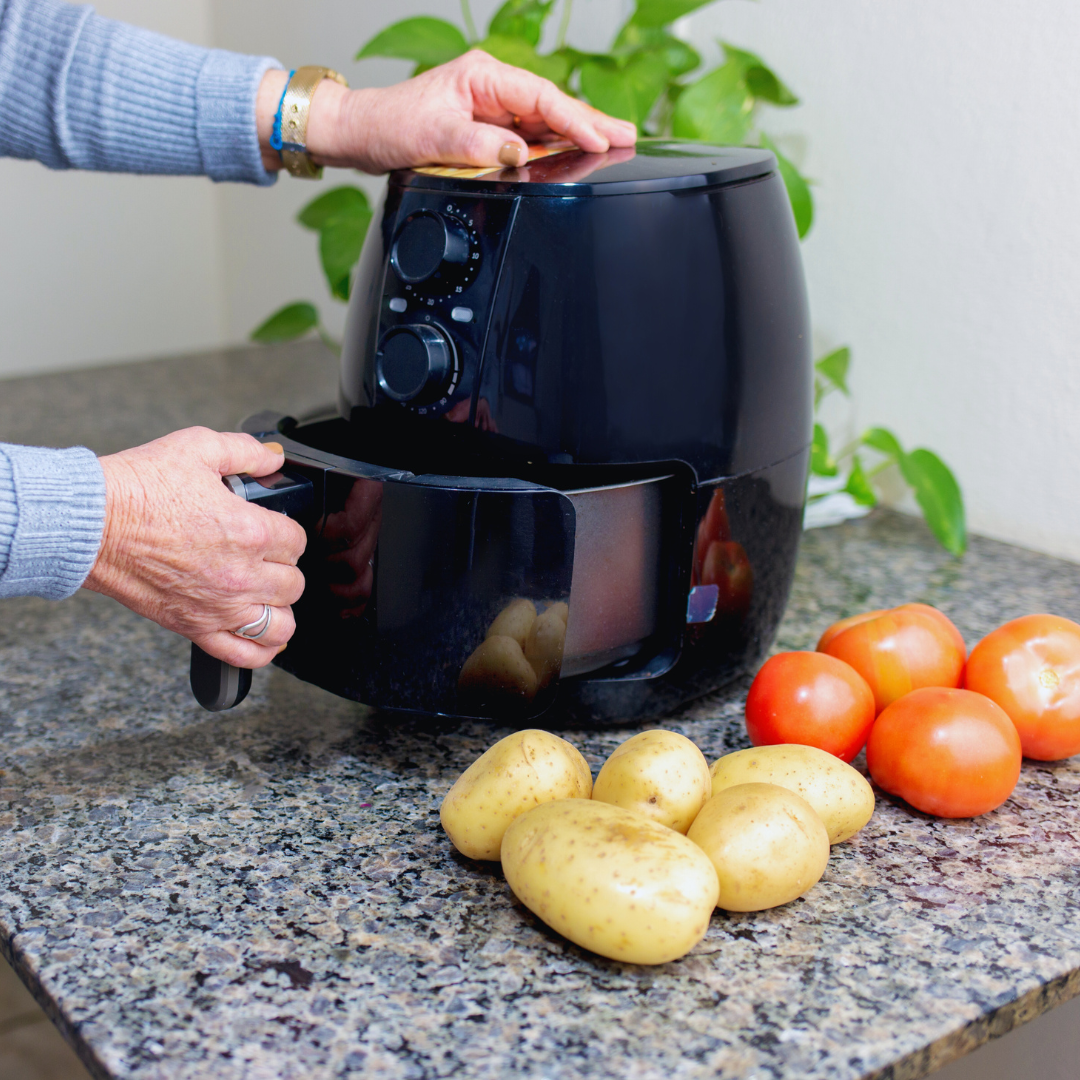
Air fryers are transforming home cooking by offering a faster, healthier alternative to traditional frying. They use hot air circulation to cook food with little or no oil, which reduces fat content without sacrificing crispiness.
This technology enables people to enjoy fried foods with fewer calories and less mess, making it easier to maintain a balanced diet. As a result, air fryers have become popular kitchen tools for busy households seeking convenience and healthier options.
Beyond health benefits, air fryers simplify meal preparation by cutting down cooking time and reducing the need for constant supervision. This shift in cooking methods is changing how many approach everyday meals.
How Air Fryers Are Transforming Home Cooking
Air fryers are changing the way people prepare meals by offering a healthier alternative to traditional frying, broadening cooking possibilities, and saving time in the kitchen. Their design uses circulating hot air to cook food quickly and with less oil than conventional methods.
The Shift From Traditional Frying Methods
Air fryers use rapid circulating hot air to crisp food surfaces, significantly reducing the need for oil compared to deep frying. This method decreases fat content in fried foods, making meals less greasy without sacrificing texture.
They also reduce the typical mess associated with oil splatter and lower cleanup time. Because the air fryer cooks food evenly, it can replace deep fryers and even some oven functions.
Many users appreciate this shift for health reasons and for simplifying cooking processes that once required more skill and oversight.
Versatility for Different Foods
Air fryers can cook a wide range of foods beyond fried items, including vegetables, meats, and baked goods. Their adjustable temperature controls and timers support diverse recipes, allowing precise cooking times.
Foods that usually require separate appliances or cooking techniques can often be prepared in the air fryer alone. This versatility makes it a valuable kitchen appliance for those with limited space or who prefer fewer gadgets.
Additionally, air fryers often handle frozen foods well, crisping them quickly without thawing, which adds to their convenience.
Convenience and Time Savings
Air fryers cut cooking times through efficient hot air circulation, often reducing meal preparation by 20-30% compared to ovens or stovetops. This feature is especially useful for busy households.
They usually require little to no preheating, and their compact size means shorter heating cycles. Many models include presets for common foods to streamline cooking processes.
Cleaning is straightforward because parts are often dishwasher-safe, which adds to their appeal as a practical kitchen gadget. This combination of speed and low maintenance makes air fryers a popular tool for quick, everyday meals.
Healthier Cooking and Nutritional Benefits
Air fryers enable cooking with minimal oil, helping reduce overall fat intake. They also maintain nutrient levels in foods better than some traditional methods. The technology impacts the formation of harmful compounds during cooking.
Reduced Oil Usage for Healthier Meals
Air fryers use hot air circulation to cook food, requiring little to no added oil. This significantly lowers calorie content compared to deep-frying, where foods absorb large amounts of oil. For example, cooking breaded chicken or salmon with just a light spray of oil achieves a crispy texture without excessive fat.
Reducing oil intake can benefit heart health and weight management. Foods like vegetables and meat retain their natural moisture and flavor without the heavy coating of grease. This method supports a balanced diet that limits saturated fats and calories.
Preserving Nutrients and Reducing Harmful Compounds
Air frying helps preserve vitamins and minerals in foods by shortening cooking times and using lower temperatures than traditional deep-frying. Vegetables cooked in an air fryer tend to retain more vitamin C and antioxidants compared to deep-fried versions.
It also reduces the formation of acrylamide, a potentially harmful compound that develops during high-temperature cooking like deep-frying. This makes air frying a safer alternative for preparing starchy foods such as potatoes or bread.
Comparing Air Frying With Deep-Frying and Grilling
Deep-frying submerges food in hot oil, resulting in higher fat content and calorie load. Grilling uses direct heat that can cause charring, which sometimes produces carcinogens. Air frying offers a middle ground by providing a crunchy exterior without excessive oil or charring.
While grilling is effective for meats like salmon, it can dry out food faster than air frying. Air fryers provide even cooking with less risk of overcooking. Compared to grilling, air frying can better preserve moisture in vegetables and fish while limiting harmful chemical formation.
Popular Foods and Innovative Recipes in Air Fryers
Air fryers excel at cooking a variety of foods with less oil while maintaining texture and taste. They handle fries, meats, seafood, vegetables, and breads efficiently, allowing users to create both classic dishes and inventive recipes with ease.
Crispy French Fries and Sweet Potato Fries
French fries achieve a consistent crunch when cooked in air fryers due to the rapid hot air circulation. Users typically soak potato strips briefly, pat them dry, toss them in a small amount of oil, and cook at 380°F (193°C) for 15-20 minutes, shaking halfway through.
Sweet potato fries benefit similarly, though they often require slightly lower temperatures or shorter cooking times to prevent burning. The air fryer helps preserve their natural sweetness and creates a crispy exterior without deep frying, making them a healthier alternative.
Perfect Meats and Seafood
Meats like chicken wings, pork chops, and steak cook evenly and remain juicy in air fryers. Cooking times vary: for instance, chicken wings take about 25 minutes at 400°F (204°C), while pork chops need 12–15 minutes. Seasoning before cooking enhances flavor without excess fat.
Seafood such as salmon turns out tender with a crisp skin. Cooking salmon at 375°F (191°C) for 10-12 minutes prevents overcooking. The air fryer locks in moisture, making it easier to achieve restaurant-quality results at home.
Vegetables and Breads in the Air Fryer
Vegetables like broccoli, Brussels sprouts, and zucchini roast quickly and develop a roasted texture without drying out. Tossed in a light coat of oil and seasoned, they typically cook between 10–15 minutes at about 375°F (191°C).
Breads, including garlic bread or small rolls, toast evenly and develop a golden crust. Air fryers can refresh stale bread or bake small dough portions with better texture, often completing within 5–7 minutes, depending on thickness.
Considerations and Tips for Home Cooks
Using an air fryer effectively requires understanding its features, maintenance needs, and how to adjust cooking times for different foods. Knowing these factors helps home cooks get the best results while preserving the appliance’s lifespan.
Choosing and Using an Air Fryer
Selecting the right air fryer depends on kitchen space, capacity, and function. Compact models suit small kitchens or single servings, while larger units handle family-sized meals. Features like preset cooking modes and digital controls can simplify operation but may increase cost.
When using an air fryer, preheating it for 3-5 minutes often improves cooking consistency. Avoid overcrowding the basket to allow hot air to circulate properly. Using a light coating of oil enhances crispness without negating the appliance’s health benefits.
Cleaning and Maintenance
Regular cleaning prevents grease buildup and extends the air fryer’s durability. Most baskets and trays are dishwasher-safe, but wiping the heating element and interior with a damp cloth is essential to avoid damage.
It’s important to clean after every use. Residue can affect flavor and increase smoke production. Check the manufacturer’s manual for specific recommendations on cleaning materials and techniques to avoid harming non-stick coatings.
Optimizing Cooking Times and Results
Cooking times vary by food type and air fryer model. Generally, air fryers reduce conventional oven times by 20-30%. Monitoring the food halfway through and shaking or flipping helps achieve even cooking.
Adjust temperatures according to recipe guidelines, typically between 325°F and 400°F. For frozen foods, adding a few minutes to the cooking time ensures thorough heating. Using an oil spray can boost texture without excess fat.
Leave a Reply