
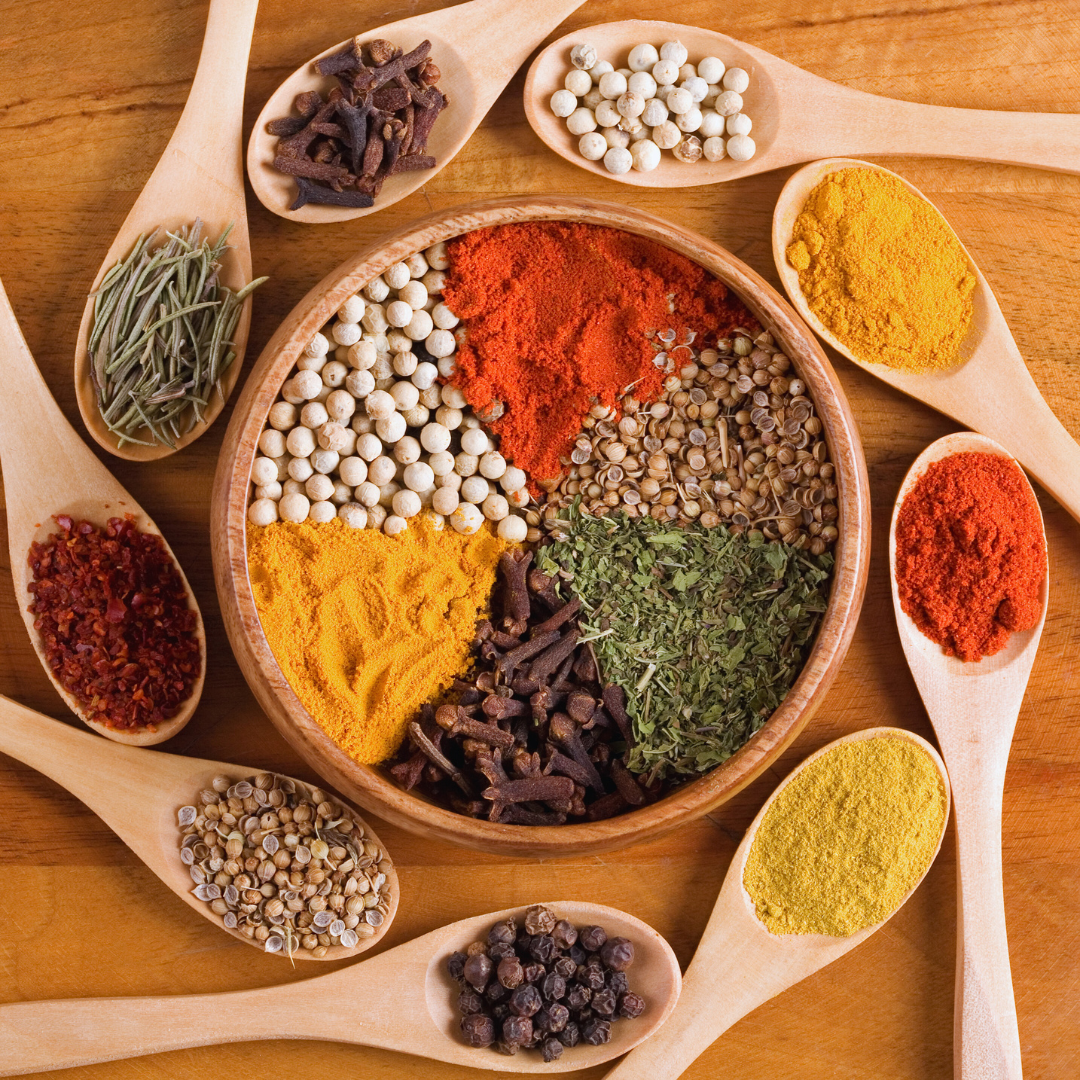
Many people want to enhance the taste of their meals without adding extra salt or sugar for health reasons. The key is to use herbs, spices, acid, and umami-rich ingredients to naturally intensify flavor. Bold flavors can be achieved by incorporating fresh herbs, citrus juice, vinegar, garlic, and ingredients like mushrooms or tomatoes.
These simple additions stimulate the palate and bring complexity to dishes without needing salt or sugar. Understanding how to balance these elements helps create satisfying and flavorful meals that support a healthier diet.
Experimenting with different combinations allows cooks to find what works best for their taste preferences and meal types. Small changes in seasoning can make a noticeable difference in flavor without compromising nutrition.
Maximize Flavor With Herbs and Spices
Using a variety of herbs and spices can significantly enhance food without adding salt or sugar. Selecting the right herbs for specific dishes, understanding how spices contribute warmth and depth, and knowing when to add fresh or dried herbs are key factors to achieving balanced flavors.
Choosing the Right Herbs for Each Dish
Different herbs suit distinct cuisines and ingredients. For Italian dishes, basil, oregano, and parsley provide freshness and brightness. In Mediterranean or Middle Eastern meals, cilantro, dill, and mint bring a fresh, slightly tangy note.
Heavier proteins like beef or lamb benefit from rosemary, thyme, and sage, which offer woodsy and savory characteristics. Delicate herbs like parsley and chives work well with fish or chicken, adding mild, clean flavors without overpowering. Fresh herbs typically deliver sharper flavors, so they are best added near the end of cooking.
Using Spices to Enhance Depth and Warmth
Spices add complexity and heat without salt or sugar. Cumin, coriander, and smoked paprika introduce earthy, smoky tones ideal for savory stews and grilled vegetables.
For warmth and subtle heat, use curry powder, chili powder, cayenne pepper, and black pepper sparingly to avoid overpowering a dish. Aromatic spices such as allspice, cinnamon, and nutmeg bring warmth and subtle sweetness, enhancing sauces and roasted vegetables. Garlic powder and onion powder provide umami and depth, useful in dry rubs and seasoning blends.
Proper Timing for Fresh and Dried Blends
Fresh herbs release volatile oils quickly and are best added at the end of cooking or as a garnish to preserve their bright flavors. Dried herbs and spices require longer cooking times to release their full aroma and soften textures.
Add dried herbs and spices early in the cooking process, especially in soups, stews, and braises, to allow flavors to meld. For example, thyme and oregano infuse slowly, while ground spices like paprika and cumin develop a deeper profile when toasted or cooked gently. Balancing when each is added ensures layered, rich flavor without extra salt or sugar.
Leverage Acids for Brightness and Balance
Acids enhance dishes by adding brightness and balancing flavors without extra salt or sugar. Using citrus and vinegars thoughtfully can elevate meals in dressings, marinades, and as finishing touches.
Incorporating Citrus Juices and Zests
Lemon juice and lime juice are versatile acids that cut through rich or fatty flavors, brightening the entire dish. Adding just a teaspoon of lemon juice toward the end of cooking preserves its fresh, tangy flavor.
Lemon zest and lime zest provide aromatic oils that intensify citrus notes without acidity. Zests work well in dry rubs, desserts, or sprinkled over cooked vegetables for a subtle, layered flavor.
Using fresh lemons and limes ensures the cleanest taste. Bottled citrus juices lose some brightness and can taste flat, so fresh juice is preferable when possible.
Selecting and Using Different Vinegars
Different vinegars offer distinct acidity levels and flavor profiles. Apple cider vinegar provides fruity notes, good for salads, slaws, and marinades that benefit from subtle sweetness.
Balsamic vinegar delivers a rich, slightly sweet acidity that suits roasted vegetables, grilled meats, or salad dressings that need depth without extra sugar.
White vinegar has a strong, clean acidity ideal for quick pickling or brightening sauces. Understanding each vinegar’s character helps match it to dishes.
Start with small amounts—about a teaspoon—and adjust to avoid overpowering the dish.
Balancing Flavors in Dressings, Marinades, and Finishers
Acids in dressings and marinades emulsify fats and enhance the overall flavor profile. A salad dressing with lemon juice or apple cider vinegar feels lighter and more vibrant than one relying heavily on salt.
In marinades, acids help tenderize proteins while infusing brightness. Using lemon juice or balsamic vinegar in marinades can improve texture and add complexity simultaneously.
Finishing dishes with a splash of acid—like a squeeze of lime or drizzle of balsamic vinegar—adds freshness and can offset heaviness from fats or dense ingredients. This creates a balanced, flavorful final bite.
Unlock Flavor Through Cooking Methods
Different cooking techniques transform ingredients by creating complex flavors without adding salt or sugar. Using heat to develop natural taste compounds and concentrating flavors enhances dishes significantly.
Searing and the Maillard Reaction
Searing meat or vegetables at high heat initiates the Maillard reaction, a chemical process that produces browned, flavorful crusts. This reaction occurs when proteins and sugars interact, creating savory notes and depth.
For best results, dry the surface before searing to maximize browning. Avoid overcrowding the pan, as moisture inhibits the Maillard reaction. Proper searing adds texture and rich flavor, elevating meats and vegetables without extra seasoning.
Roasting, Grilling, and Caramelization
Roasting and grilling expose food to dry, high heat, encouraging caramelization, the browning of natural sugars. This process develops sweet, nutty flavors in items like roasted vegetables or grilled fruit.
Roasting allows moisture reduction, concentrating taste. Grilling infuses a smoky aroma that enhances complexity. Both methods deepen flavor layers in plant-based and protein dishes, reducing the need for salt or sugar additions.
Building Umami Naturally
Umami, the savory “fifth taste,” intensifies flavor in soups, stews, and sauces. Ingredients rich in umami—such as mushrooms, fermented products, ripe tomatoes, and quality meats—can boost satisfaction without salt.
Slow cooking extracts glutamates, key umami molecules, from these ingredients. Combining umami sources builds complexity, making dishes taste full-bodied and well-seasoned naturally. This approach improves flavor in healthy, low-sodium recipes.
Smart Ingredient Swaps and Creative Additions
Enhancing flavor can often come from changing textures or reducing heavy ingredients without losing satisfaction. Simple swaps using common foods like potatoes, mushrooms, and bread can add new dimensions. Adjusting fats and sugars thoughtfully also makes dishes tastier and healthier.
Using Potatoes, Mushrooms, and Bread as Texture Boosters
Potatoes can add creaminess and bulk with minimal calories when mashed or pureed into sauces and soups. Their neutral flavor absorbs spices well, improving depth. Roasted or boiled, they contribute moisture and a soft bite that balances other textures.
Mushrooms bring umami, which enhances savory dishes without salt. Sautéing mushrooms releases natural glutamates that elevate flavor complexity. They also add chewy texture and moisture, useful in stir-fries, sauces, or vegetarian dishes.
Using stale or toasted bread as a crunchy topping or binding ingredient boosts texture variety. Breadcrumbs browned in a pan add crispiness, while bread cubes can thicken stews or salads without extra fat. These simple ingredients create layers of mouthfeel that make food more enjoyable.
Replacing Cream and Fat with Greek Yogurt
Greek yogurt offers creaminess with fewer calories and fat than traditional cream or mayonnaise. It works well in dressings, dips, and baking, providing moisture and a slight tang that brightens flavors.
When substituted for butter or oil in recipes, it reduces fat content while maintaining softness and moisture. Greek yogurt also adds protein and probiotics, enhancing the nutritional profile of dishes.
Using it cold or warmed gently keeps its texture intact. It is especially effective in creamy soups or sauces, where it thickens without the heaviness associated with high-fat dairy products.
Reducing Sugar in Baking and Cooking
Reducing sugar can be achieved by increasing natural sweetness and moisture from fruits like applesauce or mashed bananas. These substitutes keep baked goods moist and add subtle sweetness without refined sugar.
Coffee can enhance flavor depth in chocolate or spice-based baked goods, reducing the need for sugar. It intensifies bitterness and richness, balancing sweetness without adding calories.
Spices such as cinnamon or vanilla extract stimulate sweetness perception, allowing less sugar use without altering taste. Combining these ingredients thoughtfully ensures that texture and flavor remain satisfying even with lower sugar content.
Leave a Reply