
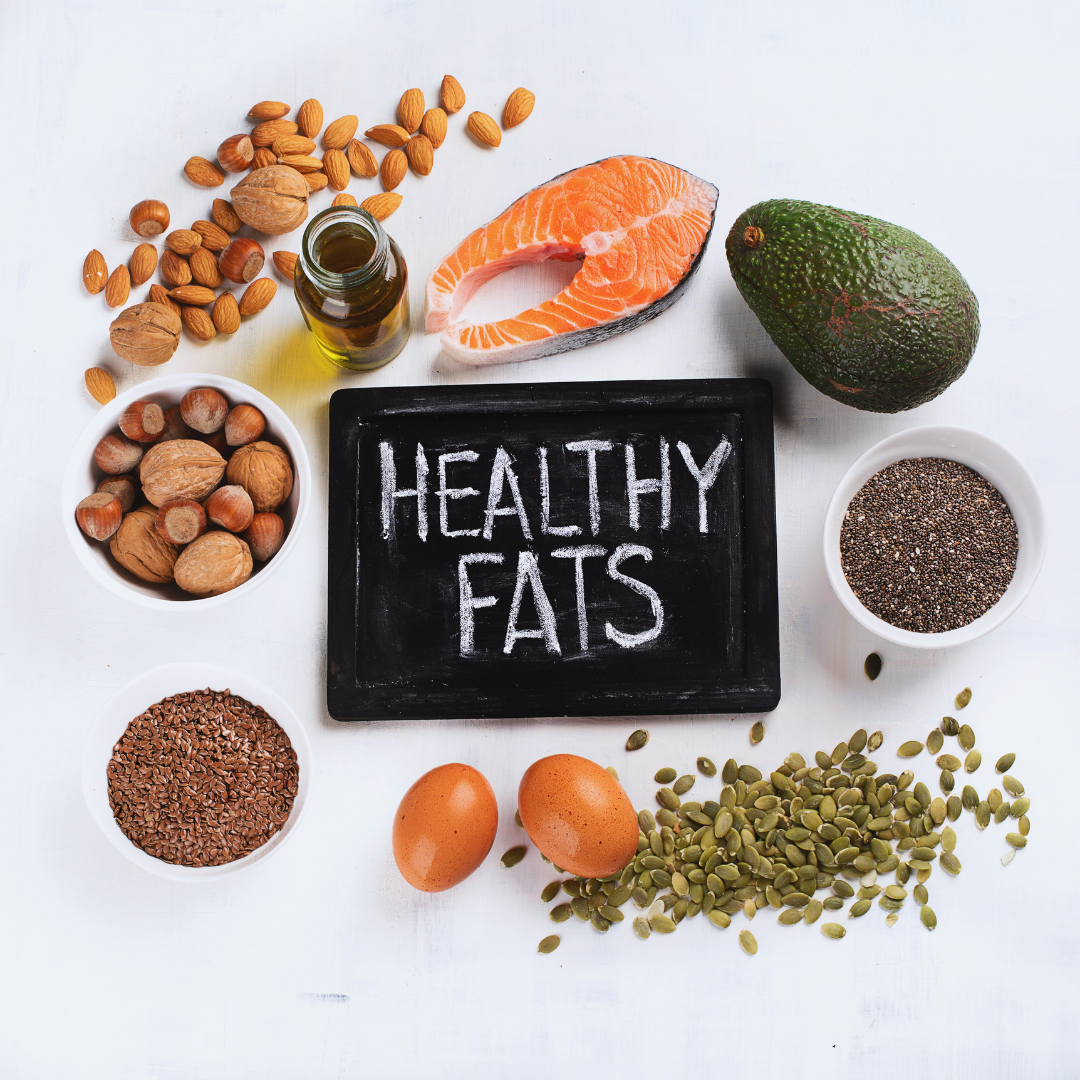
Many people misunderstand fats, often seeing them as unhealthy. However, not all fats are the same. Healthy fats are essential for brain function, hormone production, and overall cellular health.
These fats, found in foods like avocados, nuts, and oily fish, support heart health and reduce inflammation. Knowing the difference between healthy and unhealthy fats helps people make better food choices.
Understanding why healthy fats matter can change how someone approaches their diet. It’s about balance, quality, and recognizing fats as a necessary part of nutrition.
Why Healthy Fats Matter
Healthy fats are essential for many bodily functions and influence key areas like energy, brain health, and hormone production. Understanding their role helps clarify why not all fats are equal and why a balanced diet should include them.
Role of Fats in the Body
Fats serve as a major energy source, providing more calories per gram than carbohydrates or proteins. They support cell membrane structure, ensuring cells function properly.
Healthy fats assist in the absorption of fat-soluble vitamins such as A, D, E, and K. Without sufficient fats, the body struggles to utilize these nutrients.
Hormone production depends on fats, especially cholesterol, which is a precursor for steroid hormones like estrogen and testosterone. Fats also aid in regulating inflammation and maintaining body temperature.
Misconceptions About Fats
Many believe all fats cause weight gain, but this is inaccurate. Healthy fats, like those in avocados and nuts, support metabolism and satiety, helping control appetite.
Low-fat diets often lead to increased intake of refined carbs, which can impair health. Not all dietary fats are harmful; unsaturated fats are beneficial, while trans fats negatively impact heart health.
Avoiding fats altogether can disrupt hormone balance and brain function since fats are key structural components of brain cells and hormone synthesis.
Impact of Fats on Overall Health
Including healthy fats in the diet improves cardiovascular health by lowering bad cholesterol (LDL) and raising good cholesterol (HDL). Omega-3 fatty acids, found in fish, reduce inflammation and support cognitive function.
Stable blood sugar levels and reduced risk of chronic diseases are linked to balanced fat intake. Diets rich in monounsaturated and polyunsaturated fats promote long-term wellness.
A diet devoid of healthy fats can impair nutrient absorption and compromise mental health, highlighting their necessity beyond calorie content alone.
Types of Fats and Their Effects
Fats vary in structure and impact on health, influencing cholesterol, inflammation, and heart disease risk differently. Some types support cardiovascular health, while others raise bad cholesterol (LDL) and increase disease risk.
Unsaturated Fats and Their Benefits
Unsaturated fats primarily include monounsaturated and polyunsaturated fats. Monounsaturated fats, found in olive oil, avocados, and nuts, help lower LDL cholesterol and may increase HDL (good cholesterol).
Polyunsaturated fats include omega-3 and omega-6 fatty acids, essential for body function. Omega-3s, in fatty fish and flaxseeds, reduce inflammation and lower triglycerides, beneficial for heart health. Omega-6 fatty acids, common in vegetable oils, are necessary but should be balanced with omega-3 intake.
These fats improve blood vessel function and reduce cardiovascular disease risk when replacing saturated fats in the diet.
Saturated Fats and Moderation
Saturated fats are mainly in animal products like butter, cheese, and fatty meats. High intake can raise LDL cholesterol, increasing the risk of heart disease. However, moderate consumption as part of a balanced diet is generally acceptable.
The body also produces some saturated fats naturally. While limiting excess saturated fats reduces heart disease risk, completely avoiding them is unnecessary and may reduce dietary variety.
Trans Fats and Health Risks
Trans fats are artificially created through hydrogenation, found in some processed and fried foods. They raise LDL cholesterol and lower HDL cholesterol, significantly increasing heart disease risk.
Trans fats also promote inflammation and elevate triglycerides. Many health organizations recommend eliminating trans fats due to their strong association with cardiovascular disease and other metabolic problems.
Understanding Cholesterol and Triglycerides
Cholesterol travels in the blood via lipoproteins: LDL (low-density lipoprotein) and HDL (high-density lipoprotein). High LDL is termed “bad cholesterol,” contributing to plaque build-up in arteries and increasing heart disease risk.
HDL helps remove cholesterol from the bloodstream. Triglycerides are blood fats stored as energy, but elevated levels, often linked to poor fat intake, also increase cardiovascular risk. Managing fats helps maintain healthy cholesterol and triglyceride levels.
Healthy Fats in Your Diet
Healthy fats are essential for energy, brain function, and hormone production. They come from various natural sources and differ in how they should be used in cooking and meal planning to maintain balance and support overall health.
Best Sources of Healthy Fats
The best sources of healthy fats include extra virgin olive oil, avocados, nuts like walnuts, and fatty fish such as salmon. These foods provide monounsaturated and omega-3 fatty acids that help reduce inflammation and support heart health.
Flaxseeds and nut butters also deliver beneficial fats and fiber. While animal products like red meat and butter contain fats, they are usually higher in saturated fats and should be consumed in moderation. Processed snacks often contain unhealthy fats and offer minimal nutritional value.
Cooking With Healthy Oils
Cooking with extra virgin olive oil is recommended for its stability and health benefits, especially when used for low to medium heat. Avocado oil is another good option for higher-heat cooking due to its higher smoke point.
Coconut oil and palm oil are more saturated and should be used sparingly. Butter and animal fats may enhance flavor but can raise saturated fat intake. Avoid oils from processed foods because they may contain trans fats or oxidized fats harmful to health.
Balancing Fats in Daily Meals
Balance involves combining various fat sources to optimize nutrient intake and health effects. Pairing fatty fish with nuts or using olive oil in salads ensures a mix of omega-3s and monounsaturated fats.
Limiting red meat and processed snacks helps reduce saturated and trans fat intake. Monitoring portion sizes of nut butters and avocados also prevents excess calorie consumption. A daily meal plan should focus on whole foods rich in healthy oils to maintain proper fat balance.
Key Benefits and Practical Tips
Healthy fats contribute to essential body functions and play a significant role in disease prevention, weight control, and cognitive health. Understanding their impact helps people make informed dietary choices without fearing fat intake.
Heart Health and Disease Prevention
Healthy fats, such as monounsaturated and polyunsaturated fats, help reduce LDL cholesterol, a major factor in heart disease risk. Replacing saturated and trans fats with these fats can lower the chances of heart attacks and strokes.
Omega-3 fatty acids, found in fatty fish and flaxseeds, reduce inflammation and improve arterial function. This supports stronger blood vessels and decreases plaque buildup.
Regular intake of healthy fats aids in maintaining balanced blood pressure and improves lipid profiles, further protecting cardiovascular health.
Weight Management and Satiety
Healthy fats slow digestion, helping people feel full longer after meals. This reduces the likelihood of overeating and snacking on unhealthy foods.
Because fats are calorie-dense, portion control is important to avoid unwanted weight gain. Choosing fats like avocado, nuts, and olive oil can prevent excess calorie intake while promoting satiety.
Incorporating fats with fiber-rich foods enhances fullness and stabilizes blood sugar, supporting weight management goals.
Supporting Brain Function and Wellbeing
The brain is nearly 60% fat and relies on essential fatty acids for structure and function. Omega-3s, especially DHA, support memory, learning, and mood regulation.
Healthy fats improve communication between brain cells and reduce inflammation that can lead to cognitive decline.
A diet rich in these fats may support mental clarity and emotional balance, offering protective effects against neurodegenerative conditions.
Tips for Adding Healthy Fats to Meals
Use olive oil for cooking and salad dressings instead of butter or margarine. This switch boosts monounsaturated fat intake.
Add nuts and seeds as snacks or toppings to yogurt, oatmeal, or salads. They provide a mix of healthy fats and added nutrients.
Incorporate fatty fish like salmon or mackerel into meals at least twice a week for omega-3 benefits.
Avoid processed snacks high in trans fats and limit fried foods. Instead, focus on whole-food sources of fat.
Using avocado as a spread or in smoothies can increase healthy fat consumption without excessive calories.
Leave a Reply