
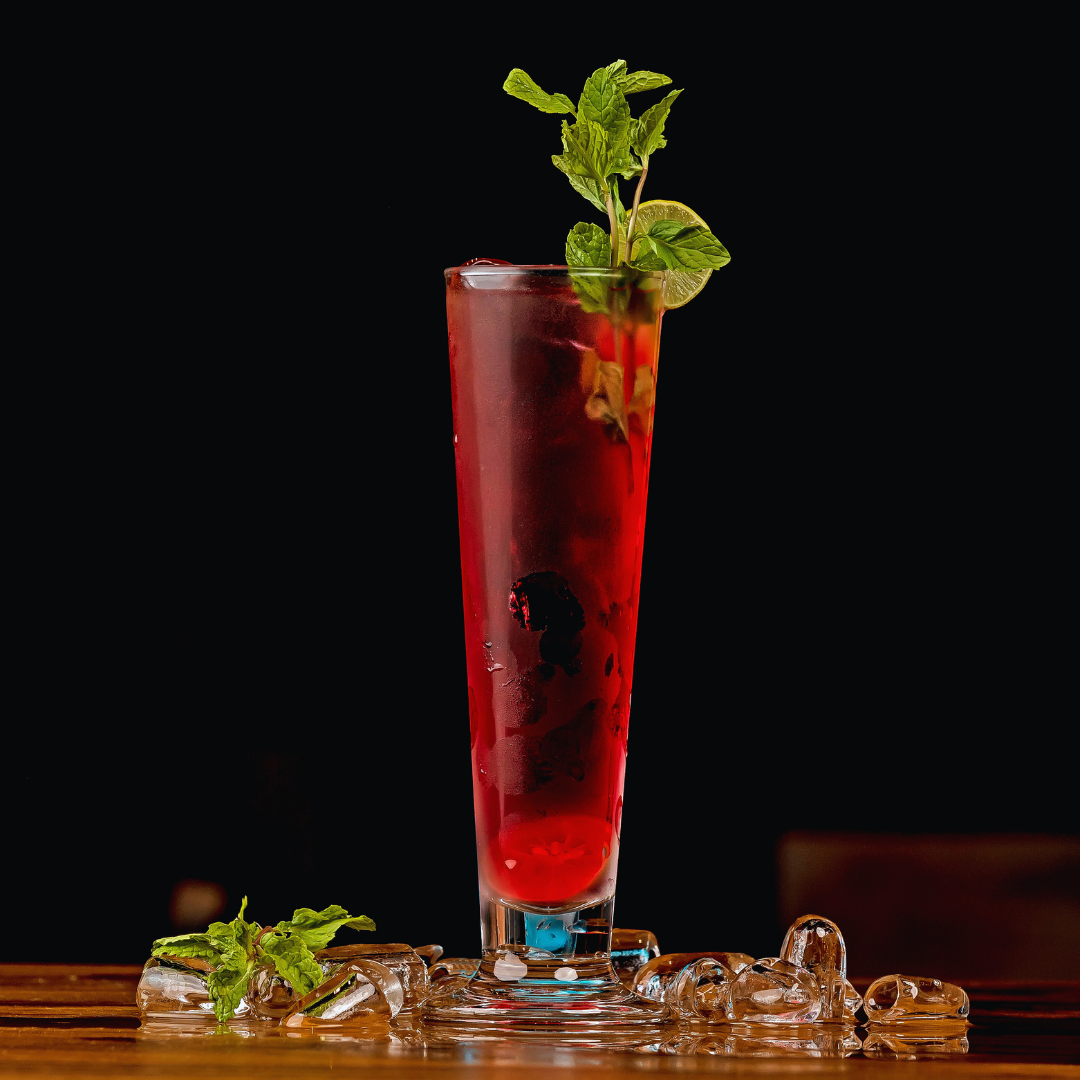
Mocktails have grown beyond being just a popular alternative to alcoholic drinks. They represent a shift toward more mindful consumption and inclusive social experiences. The appeal of mocktails lies in their ability to offer complex flavors and thoughtful craftsmanship without alcohol.
This trend reflects changing attitudes around health, wellness, and moderation. Many people choose mocktails to enjoy sophisticated beverages while avoiding the effects of alcohol, making them a lasting part of social and culinary culture.
Mocktails also create new opportunities for creativity in bartending. They challenge traditional beverage norms and invite innovation, proving they are far more than a passing fad.
Why Mocktails Are More Than Just a Trend
Mocktails have evolved from simple alcohol-free options to symbols of broader lifestyle shifts. They cater to varied preferences linked to health, social habits, and personal choices, reflecting deeper cultural changes around drinking.
From Novelty to Social Movement
Initially seen as mere alternatives at parties, mocktails now represent a shift in social norms. They allow people to participate in social drinking rituals without alcohol, making events inclusive for non-drinkers, designated drivers, and those avoiding alcohol for personal reasons.
This change reflects a growing acceptance of sobriety and respect for diverse lifestyle choices. Mocktails are crafted with the same care and creativity as traditional cocktails, emphasizing taste and presentation to ensure non-alcoholic beverages stand out on their own.
Mindful Drinking and Health-Conscious Choices
Increasing awareness about the effects of alcohol has driven health-conscious consumers toward mindful drinking. Mocktails offer a way to enjoy complex flavors without alcohol’s health risks, such as liver damage or increased calorie intake.
While mocktails provide an excellent avenue for those seeking to proactively avoid alcohol’s negative impacts, it’s important to acknowledge that for some, the relationship with alcohol may have already progressed beyond mindful choices. When consumption escalates into dependency, the health risks mentioned, alongside significant impacts on mental health and daily functioning, often necessitate a more structured approach.
Recognizing these deeper challenges is the first step towards recovery. For individuals facing such struggles, professional alcohol addiction treatment offers vital support, including medical interventions and therapeutic strategies designed to manage cravings and prevent relapse, paving the way for lasting sobriety and improved well-being.
Getting professional help makes a significant difference during this transition. Many people find that structured programs provide the safety and guidance they need to start over. These programs often include medically supervised detox and therapy sessions to address the root causes of dependency. You can find resources and support options at https://www.legacyhealing.com to help guide your next steps. Taking this step helps individuals build a stable foundation for long-term health.
Consumers often seek low-sugar, natural ingredients in their mocktails, favoring fresh herbs, fruit juices, and functional components like antioxidants. This focus appeals to those prioritizing wellness and balanced living while still engaging socially.
Rise of the Sober-Curious Lifestyle
The sober-curious movement encourages people to question their alcohol habits without requiring total abstinence. Mocktails serve as practical tools for those exploring reduced alcohol consumption.
They provide satisfying alternatives that support social participation without pressure to drink. This lifestyle shift is evident in bars and restaurants expanding their non-alcoholic menus to include sophisticated, thoughtfully made alcohol-free drinks.
The Unique Appeal and Benefits of Mocktails
Mocktails provide a range of advantages that go beyond just flavor. They promote social inclusivity, contribute to health and mental clarity, and offer complex taste experiences crafted by skilled mixologists.
Enhanced Social Inclusivity
Mocktails enable everyone to participate in social drinking occasions regardless of age, health conditions, or lifestyle choices. They create a welcoming environment in bars or social settings where people who don’t consume alcohol won’t feel excluded.
Bartenders and mixologists often design mocktail menus alongside traditional drinks to ensure options for non-drinking guests. This approach supports diversity and respect for different preferences without compromising the festive spirit.
Serving mocktails can reduce peer pressure and promote healthier social habits by normalizing non-alcoholic beverages in communal spaces. It supports inclusive gatherings where no one feels sidelined.
Wellness and Mental Clarity
People who choose mocktails often do so to maintain control over their health and mental state. These drinks avoid the negative effects of alcohol, like dehydration and impaired judgment, making them suitable for those who are health-conscious.
Mocktails can be rich in vitamins and antioxidants when made with fresh fruits, herbs, and botanicals. This enhances wellness while offering a flavorful alternative to sugary sodas or alcoholic beverages.
Choosing mocktails promotes better hydration and encourages mindful consumption. It supports mental clarity during social events, allowing individuals to be fully present without alcohol’s cognitive drawbacks.
Flavor Complexity Without Compromise
Skilled mixologists craft mocktails to rival traditional cocktails in flavor and presentation. They use innovative techniques and ingredients like infused syrups, exotic spices, and fresh herbs to create layered taste profiles.
Mocktails can include components such as citrus zest, tonic water, and botanical extracts to deliver refreshing and intriguing flavors without relying on alcohol. This expands the drink menu and appeals to those who value sophisticated taste.
The emphasis on flavor complexity ensures that mocktails are not seen as simple or bland alternatives but as thoughtfully designed beverages. Bartenders often highlight mocktails as a key feature on menus to attract a broader audience.
Creative Ingredients and Modern Mocktail Crafting
Modern mocktails feature diverse and carefully selected ingredients that enhance flavor complexity and presentation. From aromatic herbs to innovative non-alcoholic spirits, creators focus on balance and depth.
Herbs, Botanicals, and Unique Flavors
Herbs like basil, mint, and thyme add fresh, aromatic layers to mocktails. Botanicals such as elderflower introduce subtle floral notes that complement fruit and citrus components.
Ginger is frequently used for its spicy warmth, giving mocktails a zesty kick without overpowering the palate. These natural elements also bring healthful properties, making drinks more appealing beyond taste alone.
By incorporating unusual flavors like lavender or rosemary, artisans create memorable profiles that elevate simple fruit juices into sophisticated beverages.
Sparkling Water, Syrups, and Natural Enhancers
Sparkling water provides effervescence and lightness, essential for refreshing mocktails. It balances sweetness and adds texture without calories or alcohol.
Syrups like ginger, elderflower, and espresso syrup serve as flavor anchors. They are carefully crafted to provide sweetness, depth, and sometimes bitterness.
Natural enhancers such as fresh citrus juice, bitters (non-alcoholic varieties), and botanical extracts are common. These components are often mixed in precise ratios to maintain harmony and keep mocktails complex but drinkable.
Non-Alcoholic Spirits and Signature Recipes
Non-alcoholic spirits mimic traditional liquors’ aromas and textures. They offer complexity with botanicals often derived from herbs, spices, and fruits.
Mocktail recipes that feature these spirits often combine them with syrups and sparkling water for layered tastes. The result is a balanced drink with the ritual and sophistication of cocktails.
Using signature recipes that include elderflower tonic or ginger syrup helps bartenders craft consistent, approachable drinks. These recipes appeal to consumers seeking substance without intoxication.
Signature Mocktails and Evolving Trends
Mocktails have grown beyond simple non-alcoholic options to become crafted beverages with distinct identities and complex flavors. They blend traditional recipes with modern innovation, expanding the options available to all kinds of drinkers.
Virgin Mojito and Shirley Temple
The virgin mojito remains one of the most recognized signature mocktails. It uses fresh lime juice, mint leaves, simple syrup, and soda water, delivering a refreshing and balanced taste without alcohol. Its popularity stems from its familiar profile, replicating the original mojito’s zest but made accessible for all.
The Shirley Temple is another classic widely found on mocktail menus. Made with ginger ale, grenadine, and a maraschino cherry, it offers a sweet, nostalgic flavor. Both drinks highlight how mocktails can maintain familiarity while appealing to diverse preferences.
Innovation by Bartenders and Home Mixologists
Bartenders and home mixologists are pushing mocktail boundaries by experimenting with unusual ingredients like herbs, spices, teas, and shrubs. They are incorporating techniques such as infusions, smoking, and carbonation to enhance depth and complexity.
Creative layering of flavors allows mixologists to craft balanced drinks that are visually appealing and flavorful. This evolution reflects a dedication to quality and experience, rather than just substituting alcohol. Their work shows mocktails as a platform for skillful beverage preparation.
The Expanding Mocktail Menu Experience
Restaurants and bars are increasingly featuring extensive mocktail menus designed to cater to different tastes and occasions. Menus often categorize offerings by flavor profiles such as citrus, fruity, spicy, or herbal to ease selection.
A typical mocktail menu now includes both reinterpreted classics and avant-garde creations, allowing broader customer choice. This shift supports growing consumer demand for healthier, inclusive, and inventive drink alternatives without compromising enjoyment or presentation.
Leave a Reply