
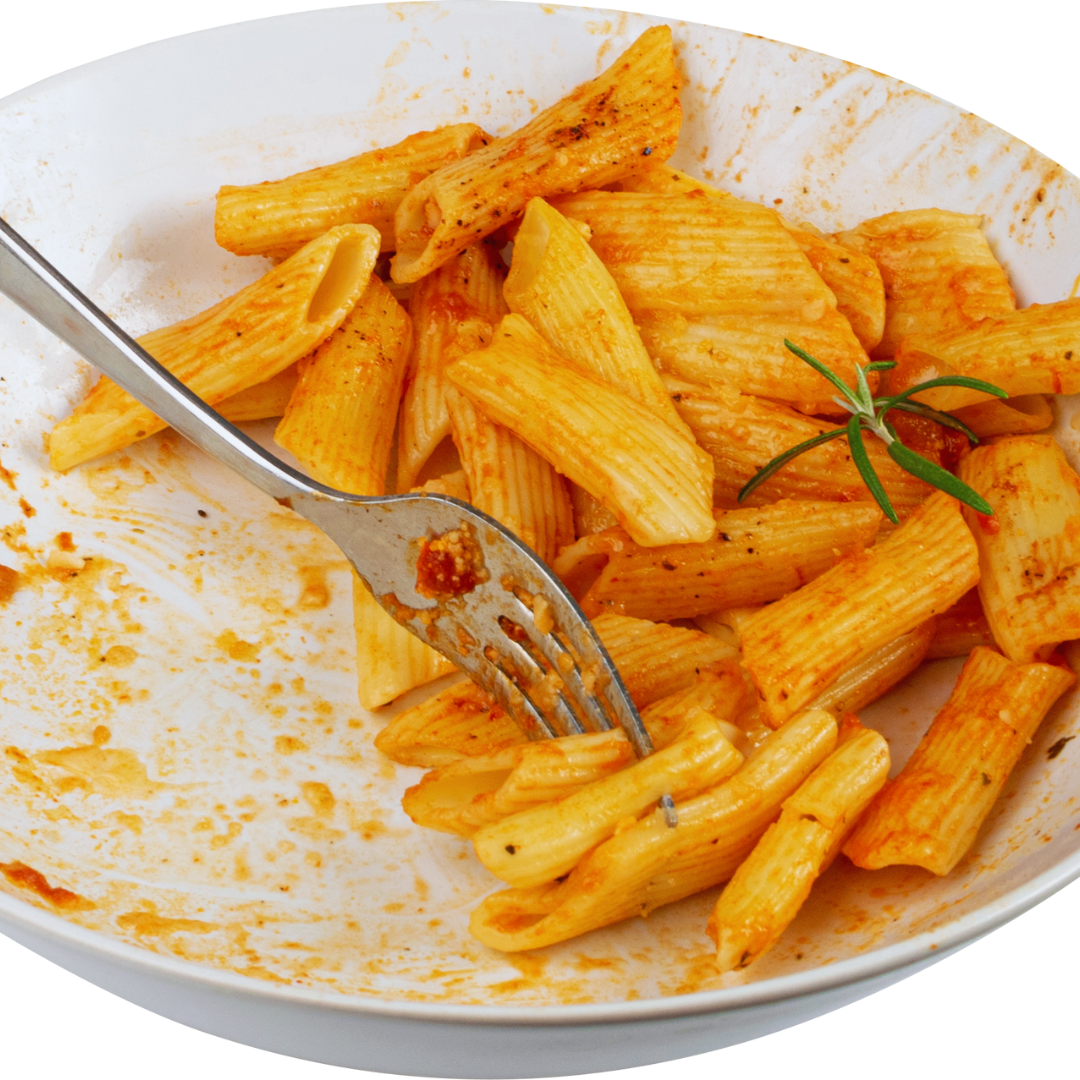
Leftover ingredients often end up in the trash, contributing significantly to food waste. Creative uses for these ingredients not only reduce food waste but also help save money. By thinking outside the box, individuals can transform leftovers into delicious meals, snacks, or even new condiments that enhance their culinary creativity.
Many find that repurposing leftover ingredients can lead to unexpected and enjoyable dishes. A few simple ideas can turn wilted greens into vibrant pesto or stale bread into crunchy croutons. Each small adjustment not only minimizes waste but also maximizes flavor and variety in everyday cooking.
Exploring creative uses for what might usually be discarded encourages both resourcefulness and sustainability. By making the most of leftover ingredients, anyone can cultivate a more economical and environmentally friendly kitchen practice.
Reinventing Leftovers into Main Dishes
Leftover ingredients can be transformed into satisfying main dishes with some creativity. From hearty casseroles to flavorful stir-fries, these ideas promote meal prep and minimize waste while providing delicious options.
Transformative Casseroles and Bakes
Casseroles and bakes are ideal for repurposing leftover ingredients. One can use leftover meats, vegetables, and grains as the base for a comforting dish.
A cheesy pasta bake can include leftover pasta, mixed with vegetables and a creamy sauce, topped with cheese and baked until golden. A casserole might consist of a combination of leftover proteins and vegetables, layered with a sauce and baked in the oven for a cohesive meal.
Consider a frittata or quiche, which allows for a mix of leftover veggies and meats baked with eggs for a filling dish.
Next-Level Rice and Pasta Creations
Transforming leftover rice or pasta can yield delightful meals. Fried rice is an excellent method for using up leftover rice. Simply stir-fry with assorted vegetables, meat, and soy sauce for an easy dish.
Pasta salad can utilize leftover pasta tossed with vegetables, dressing, and proteins for a fresh, cold meal. For a warm option, a pasta frittata combines leftover pasta with eggs and cheese, yielding a flavorful and satisfying dish.
Moreover, tacos and burritos provide versatility by using leftover ingredients as fillings, paired with fresh toppings and sauces. Wraps can also be made with tortillas stuffed with meats, beans, and vegetables for a convenient meal.
Reimagined Meat and Vegetable Entrees
Reinventing leftover meats and vegetables can lead to inventive entrees. A simple stir-fry with leftover meat and vegetables can deliver a satisfying meal tossed in a flavorful sauce.
Utilize a mix of vegetables to create a new dish, such as a hearty vegetable medley served with a side of grain or protein. Another option includes turning leftover meats into pizza toppings, combining creativity and quick cooking.
Also, serving leftover roasted vegetables as a stand-alone dish or in a grain bowl adds flavor and nutrition. With these ideas, leftover ingredients can be reimagined into diverse and flavorful main dishes.
Innovative Breakfasts from Leftovers
Creative meals can easily emerge from leftover ingredients, especially at breakfast time. These innovative approaches utilize what’s on hand, transforming remnants into delicious morning options.
Savory Morning Delights
Leftover vegetables and proteins can elevate breakfast options like omelettes and frittatas. Combining wilted spinach, diced bell peppers, or even cooked meats with beaten eggs offers a hearty start.
- Omelette: Whisk eggs and pour into a hot skillet. Add chopped leftovers, cheese, and herbs. Cook until set, and serve warm.
- Frittata: Similar to omelettes, frittatas include milk for a creamier texture. They can be baked, allowing for larger portions to be sliced and served.
Leftover bread can also be used creatively to make French toast. Simply soak slices in a mix of eggs, milk, cinnamon, and vanilla, then cook until golden brown.
Wholesome Leftover Fruit Options
Overripe bananas can be a breakfast hero. They can be transformed into banana pancakes or used in smoothies. Here are a couple of options:
- Smoothies: Blend overripe bananas with yogurt, milk, and any other leftover fruits. Spinach or kale can add nutrients without altering the flavor significantly.
- Fruit Compote: Cook down leftover fruits like berries or apples with a bit of sugar to create a compote. This can be served over pancakes, yogurt, or oatmeal.
Unused fruits can also enhance bread pudding, making a rich, creamy dish that feels indulgent yet resourceful.
Creative Soups, Sides, and Snacks
Using leftover ingredients creatively can lead to delicious soups, sides, and snacks. This section explores how to transform odds and ends into tasty dishes that minimize waste and maximize flavor.
Versatile Soups and Stews
Leftover vegetables can be the foundation for hearty soups and stews. One effective method is to create a vegetable broth by simmering scraps like onion peels, carrot tops, and celery leaves. Strain the mixture after several hours for a rich base.
To make a comforting soup, incorporate leftover vegetables cut into bite-sized pieces. Adding stale bread can thicken the soup or become croutons when toasted. Season with salt, pepper, and herbs to enhance the flavor.
For a variation, consider adding leftover cheese. Grated cheese melts beautifully, enriching the soup’s texture and giving it a unique taste. This approach not only utilizes what’s on hand but also minimizes food waste.
Snacks and Sides Reinvented
Leftover bread can be transformed into several snack options. Stale bread is ideal for making breadcrumbs. These breadcrumbs serve as coatings for vegetables or proteins, offering a crunchy texture when baked or fried.
Alternatively, one can create croutons for salads by cubing stale bread, tossing with olive oil and seasoning, then baking until golden. This adds a satisfying crunch to salads or soups.
Sandwiches can easily incorporate leftover ingredients. Combine vegetables with sauces or leftover meats to create exciting fillings. A little creativity with spreads can elevate a simple sandwich and prevent leftovers from going to waste.
Delicious Dips and Dressings
Leftover ingredients can be repurposed into tasty dips or dressings. For example, excess yogurt or sour cream can become a creamy base for dips. Mixing in leftover herbs, spices, or vegetables adds flavor and nutritional value.
Salsas are another great option. Combine leftover tomatoes, onions, and peppers for a fresh salsa. This can serve as a topping for various dishes or as a dip for snacks.
Dressings can utilize leftover oils, vinegars, and herbs. Blending these with a touch of mustard or honey creates an adaptable dressing for salads. Utilizing leftover ingredients in this way not only enhances dishes but also reduces food waste efficiently.
Resourceful Uses for Less Common Leftovers
Leftover ingredients can be creatively transformed into delightful dishes. Utilizing less common items can help reduce food waste while enhancing meals with unique flavors.
Desserts with a Twist
Leftover fruit can star in various desserts, adding natural sweetness and texture. Overripe bananas are perfect for banana bread or rice pudding, enhancing creaminess with their flavor. Apples can be chopped and integrated into a crisp or crumble, balancing the tartness with sweetness, especially if paired with a scoop of ice cream.
Leftover coffee provides an interesting base for desserts. It can be incorporated into mousse or infused into brownies, enriching the chocolate flavor. Those with leftover mashed potatoes may find them ideal for a twist on potato pancakes, mixing with sugar, spices, and a touch of flour for a unique treat. These innovative uses can make desserts exciting while ensuring that no ingredient goes to waste.
Stocks, Broths, and Marinades
Utilizing leftover ingredients to create stocks and broths is both cost-effective and resourceful. Vegetable scraps, including onion peels, ends of carrots, and celery stalks, can simmer together for a rich base. This method not only maximizes flavor but also reduces the amount of food waste.
Leftover wine can enhance these broths and marinades, introducing depth. Adding a splash to a simmering pot brings complexity and a touch of acidity. For a quick marinade, blending leftover ingredients like herbs, garlic, and olive oil can transform proteins with minimal effort. This approach allows cooks to breathe new life into often-discarded items, showcasing their potential in everyday cooking.
Leave a Reply