
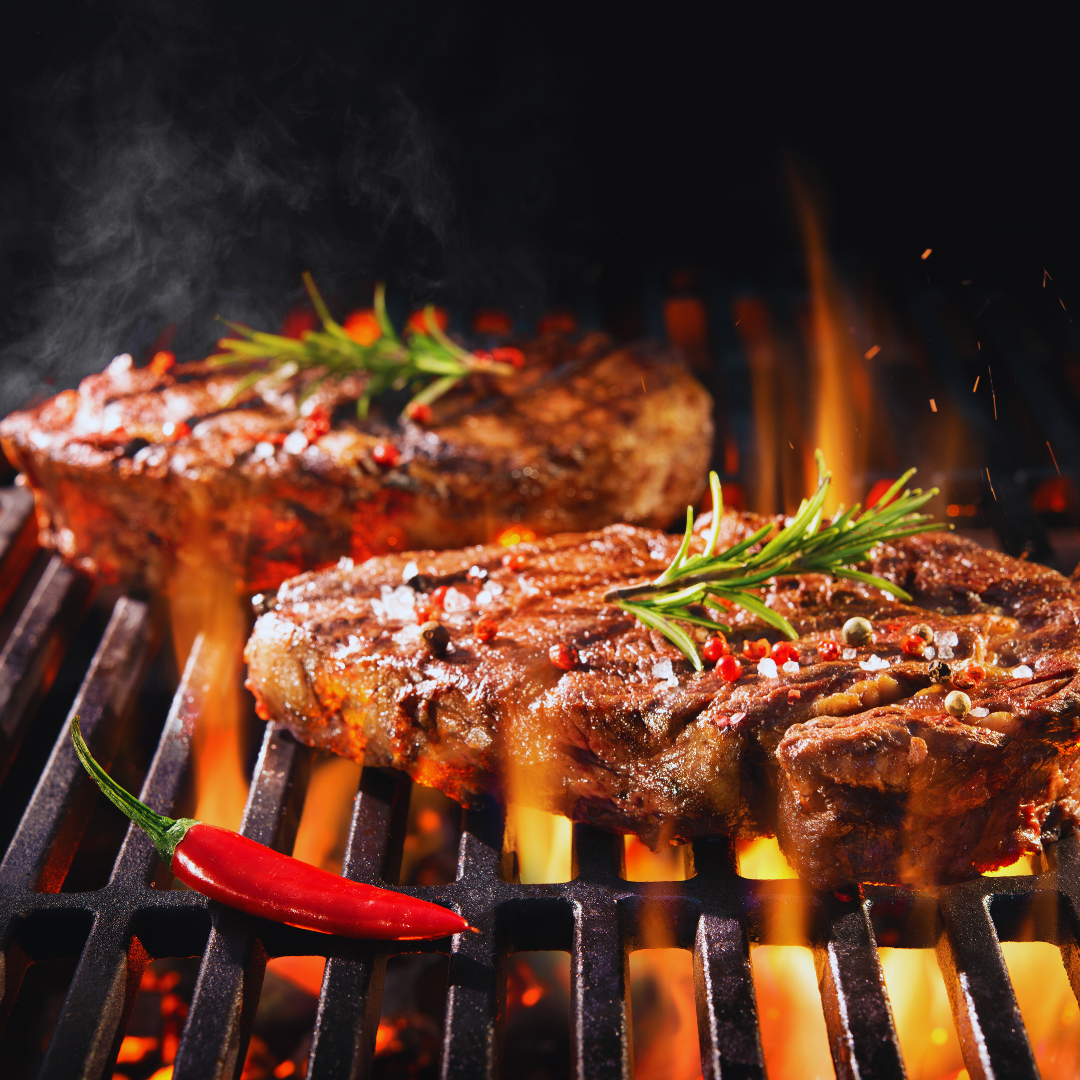
Cooking the perfect steak is both an art and a science. Achieving that ideal balance of tenderness, juiciness, and flavor requires careful attention to detail and a few essential techniques. The key elements to consider include selecting the right cut of meat, seasoning it properly, and mastering the cooking method.
Understanding the different cuts of steak is crucial, as each offers unique flavors and textures. From ribeye to filet mignon, knowing the characteristics of each cut can enhance the overall dining experience. Seasoning the steak with salt and pepper is often enough, but exploring additional flavorings can elevate the dish further.
Cooking techniques vary widely, but achieving the perfect sear is essential for locking in juices. Whether using a grill, a skillet, or an oven, the right temperature and timing can make all the difference. With the right approach, anyone can serve up a steak that is both delicious and satisfying.
Choosing the Right Cut
Selecting the appropriate cut of steak is crucial for achieving the desired flavor and tenderness. Specific cuts offer unique textures and tastes, while understanding beef grades can guide selections based on personal preference and cooking method.
Understanding Beef Grades
Beef is graded based on its quality, primarily determined by marbling, age, and overall texture. The USDA categorizes beef into three main grades:
- Prime: High marbling and tenderness, typically found in finer restaurants and specialty butchers.
- Choice: Slightly less marbling than prime, still tender and flavorful; commonly available in supermarkets.
- Select: Lower marbling, leading to a leaner cut that may lack tenderness.
Among these, prime and choice grades are ideal for steak lovers seeking the best eating experience. Understanding these classifications helps buyers select the right grade for their cooking needs.
Selecting the Perfect Steak
Different steak cuts provide a range of flavors and textures. Here are some popular options:
- Ribeye: Rich marbling, juicy, and flavorful; great for grilling.
- Filet Mignon: Extremely tender with a buttery texture; best when cooked lightly to maintain juiciness.
- T-Bone: Combines the flavors of two cuts—tenderloin and strip steak; suited for grilling.
- New York Strip: Known for its robust flavor and moderate tenderness, versatile for various cooking methods.
Less common options, such as flank steak and porterhouse, also provide excellence in flavor. Each cut appeals to different cooking techniques and personal tastes, making familiarity with these selections important for every steak enthusiast.
Preparing the Steak
Preparation is crucial for achieving the perfect steak. Key elements include seasoning, marinade choices, and ensuring the meat reaches room temperature before cooking. These steps significantly impact flavor and tenderness.
Seasoning Your Steak
Seasoning enhances the steak’s natural flavor. The primary ingredients are salt and black pepper. They should be applied generously. Sea salt brings out a rich taste, while freshly cracked black pepper adds a sharp bite.
For a simple and effective approach, consider a 1:1 ratio of salt to pepper. To elevate the flavor further, he can add garlic powder, onion powder, or a specialized steak seasoning blend for complexity. He should season the steak at least 30 minutes before cooking, allowing the salt to penetrate the meat.
Marinades and Enhancements
Marinades can transform a steak’s flavor profile. A classic marinade includes olive oil, garlic, and fresh herbs like thyme and rosemary. The oil helps to moisten the meat while the acidity from lemon juice or vinegar tenderizes the fibers.
He should marinate the steak for at least one hour, but for optimal flavor, four to twelve hours is ideal. The ratio of ingredients should be balanced to avoid overwhelming the natural taste. A simple guideline is 1/4 cup of oil to 2 tablespoons of acid, complemented by herbs and seasonings.
Bringing Meat to Room Temperature
Bringing the steak to room temperature is a critical step. It ensures even cooking, preventing a cold center while the exterior cooks quickly. He should remove the steak from the refrigerator at least 30 to 60 minutes before cooking.
During this time, patting the steak dry with paper towels can enhance the sear, as moisture can create steam during cooking. This time allows the steak to relax and ensures that it cooks uniformly.
Mastering the Cooking Process
Achieving the perfect steak requires attention to various cooking techniques and proper temperature management. This section breaks down effective methods to cook steak to the desired doneness while ensuring a flavorful crust and juicy interior.
Pan-Searing Technique
Pan-searing is a popular method for cooking steak, especially when using a cast-iron skillet. This technique provides excellent heat retention and allows for a rich, caramelized crust.
- Start with a High-Quality Cut: Ribeye, sirloin, or filet mignon work well.
- Preheat the Skillet: Heat the pan on medium-high for 5-10 minutes, ensuring it’s hot enough for a good sear.
- Add Oil: Use oils with high smoke points, such as canola or avocado, to prevent smoking.
- Sear the Steak: Place the steak in the skillet and let it sear without moving for 3-4 minutes to develop a crust. Flip and repeat.
- Finish with Butter: Baste with butter while cooking for additional flavor.
Monitoring the steak’s internal temperature with a meat thermometer is crucial to avoiding overcooking.
Oven Finishing Method
Using the oven for finishing cooked steak provides consistent results, especially for thicker cuts.
- Preheat the Oven: Set the oven to 400°F (204°C).
- Sear First: Start by searing the steak on the stovetop, following the steps outlined above.
- Transfer to Oven: Move the skillet to the preheated oven, allowing the steak to cook evenly.
- Cooking Times: Depending on the thickness, allow 6-10 minutes in the oven for medium-rare to medium.
- Check Internal Temperature: Ideal temperatures are 125°F (52°C) for rare, 135°F (57°C) for medium-rare, and 145°F (63°C) for medium.
Allow the steak to rest for about 5 minutes before slicing to retain juices.
Grilling to Perfection
Grilling offers a distinctive flavor profile, enhanced by the smoky taste of the grill.
- Prepare the Grill: Preheat a gas or charcoal grill to high heat, around 450°F to 500°F (232°C to 260°C).
- Season Generously: Coat the steak with olive oil and season with salt and pepper.
- Place on Grill: For a 1-inch steak, grill for 4-5 minutes per side for medium-rare; adjust time for desired doneness.
- Create Grill Marks: Rotate the steak 90 degrees halfway through cooking for crosshatch grill marks.
- Use a Meat Thermometer: As with other methods, checking the temperature is essential to avoid overcooking.
Let the steak rest before serving to enhance tenderness and flavor.
Determining Doneness
Determining the doneness of steak is central to achieving the desired outcome.
- Visual Cues: Color and texture can indicate doneness. Rare steaks appear red and cool; medium-rare has a warm red center.
- Press Test: Gently press the steak; a rare steak feels soft, while a medium-well steak has some resistance.
- Meat Thermometer: For precise measurement, use a meat thermometer:
- Rare: 125°F (52°C)
- Medium-Rare: 135°F (57°C)
- Medium: 145°F (63°C)
- Medium-Well: 150°F (65°C)
- Well-Done: 160°F (71°C) or higher.
Knowing these indications helps ensure a perfectly cooked steak.
Finishing Touches and Serving
Resting the steak after cooking is crucial for achieving a juicy and tender texture. This process allows the juices to redistribute, enhancing flavor and overall enjoyment. Proper pairing with sauces and sides can elevate the dining experience. For example, restaurants that specialize in premium open-fire cooking, offering dishes such as Temper fire-cooked steaks, often highlight the importance of resting meat to achieve exceptional tenderness and balanced flavor, showcasing a technique that home cooks can easily adopt for better results at home.
Resting and Slicing
After cooking, the steak should rest for about 5 to 10 minutes. This period allows the internal temperature to stabilize, ensuring that the juices remain inside when sliced.
To rest the steak, it can be covered loosely with aluminum foil to keep it warm. Avoid tightly wrapping it, as this can cause steaming and affect the texture.
When ready to slice, it’s best to cut against the grain. This method results in more tender pieces, enhancing the eating experience. A sharp knife is essential for clean cuts that maintain the steak’s visual appeal.
Pairing with Sauces and Sides
Selecting the right sauce can complement the steak’s flavors. Popular options include peppercorn sauce, mushroom sauce, and garlic butter. Each sauce offers a distinct taste profile that can enhance the steak’s richness.
For sides, consider options like roasted vegetables, mashed potatoes, or a fresh salad. These choices can add balance to the meal.
When serving, presentation matters. Arrange the steak on a plate with a generous drizzle of sauce and a side neatly placed. This attention to detail makes each meal feel special and satisfying.
Leave a Reply