
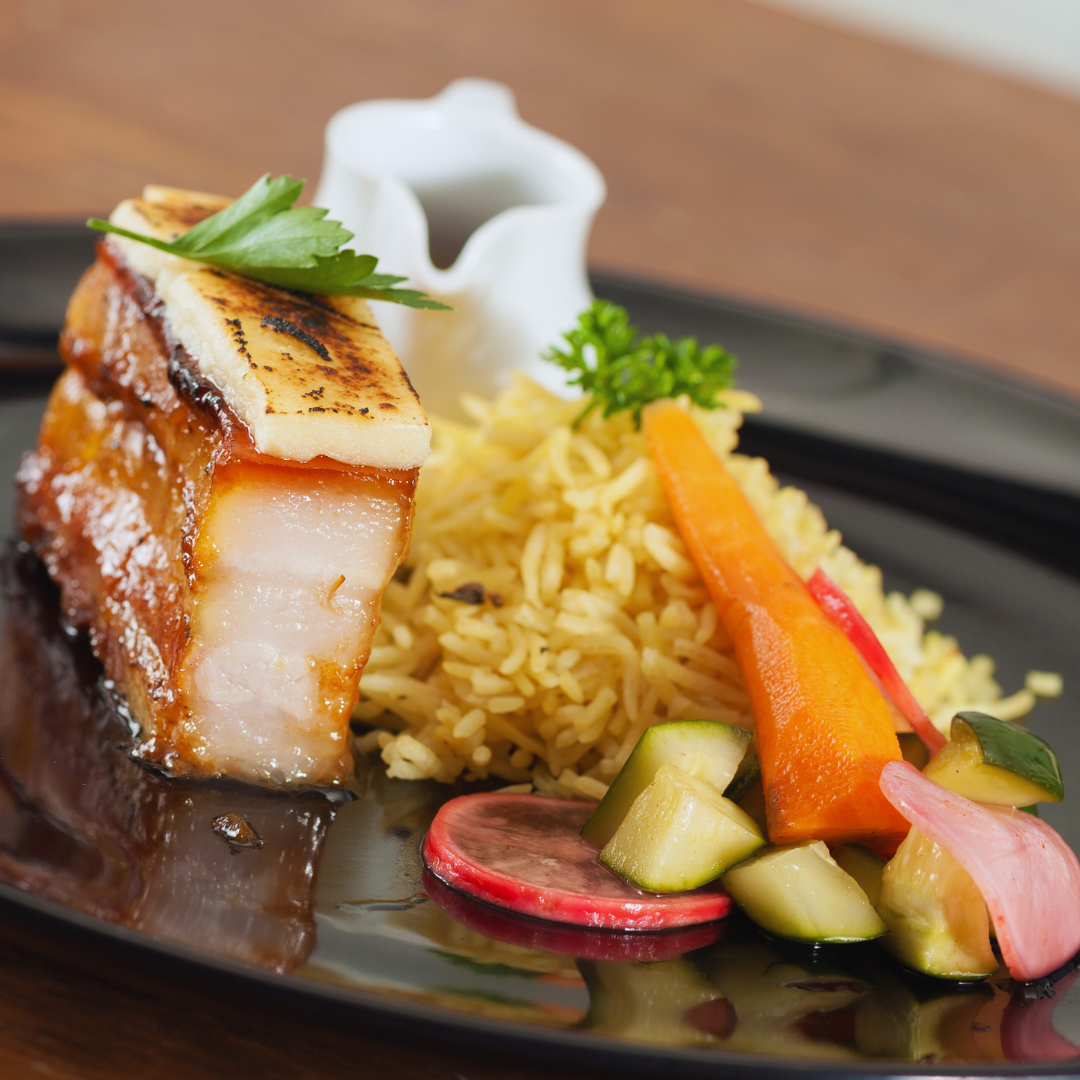
The culinary scene is constantly evolving, with new flavors emerging to captivate the palate. Innovative dishes that incorporate diverse ingredients from global cuisines are transforming culinary experiences and shaping current flavor trends. Chefs and home cooks alike are experimenting with bold combinations that challenge traditional boundaries and introduce diners to unexpected taste sensations.
As cultural exchange becomes more prevalent, ingredients like spicy harissa, tangy miso, and fragrant pandan are making their way into mainstream dishes. These flavors not only enhance culinary offerings but also reflect a collective interest in authentic experiences and unique taste profiles that tell a story. This shift in the culinary landscape creates opportunities for both exploration and creativity in cooking.
Restaurants and food enthusiasts are responding to this trend by embracing fusion cuisine and elevating classic recipes with modern twists. Diners today seek exciting adventures in their meals, driving chefs to continually innovate and redefine what flavors can achieve. The rise of these new flavors signals a refreshing direction in food that celebrates variety and creativity.
Exploring Global Flavors
The culinary landscape is increasingly influenced by international tastes, bringing vibrant flavors to local plates. This evolution is evident in the rise of fusion cuisine, which creatively blends different culinary traditions. Additionally, cuisines like Thai and Indian are making considerable contributions to this dynamic scene.
Influence of International Tastes
Global flavors have revitalized traditional dishes in restaurants worldwide. Chefs are exploring ingredients, techniques, and seasonings from various cultures.
For example:
- Sichuan peppercorns enhance dishes with a unique numbing heat.
- Yuzu from Japanese cuisine introduces a citrusy brightness.
These diverse tastes enable chefs to craft menus that reflect a global influence while staying rooted in local traditions. Diners are increasingly seeking authentic, bold flavors that surprise and excite the palate.
The Rise of Fusion Cuisine
Fusion cuisine pairs unexpected ingredients and techniques, creating innovative combinations. Dishes like Indian-inspired pizza demonstrate how traditional flavors can harmoniously blend.
Ingredients frequently utilized in fusion cuisine include:
- Paneer (Indian cheese)
- Cilantro and lime for flavor balance
As chefs experiment with global ingredients, menus become more dynamic. Diners appreciate the adventurous spirit of fusion dishes that push the boundaries of traditional cuisines while delivering unique culinary experiences.
Highlighting Thai and Indian Culinary Contributions
Thai cuisine contributes vibrant flavors through balancing sweet, salty, sour, and spicy elements. Signature dishes like Pad Thai and Tom Yum embody this balance.
Indian cuisine offers rich spices and flavors. Dishes like Tikka Masala and Biryani showcase the complexity of Indian spices. These dishes can be savoured at a well-established indian restaurant in canary wharf london, or nearly anywhere else, as the popularity of Indian food continues to grow globally.
The popularity of these dishes means that people now look for authentic dining spots in many different cities. Many diners prefer places that offer a relaxed atmosphere where they can enjoy both small plates and full meals with friends or family.
New Liverpool restaurant for drinks and dinner, as well as similar venues in other cities, are attracting large crowds with their focus on smoky grills and classic recipes that people already know and love. These places often combine flavourful food with a thoughtful selection of cocktails and music, creating a lively and inviting mood for guests.
This growing interest and expansion highlight how much people value quality food in a welcoming social setting, where dining becomes as much about the experience as it is about the meal itself.
The influence of both cuisines extends into various culinary landscapes. For instance, gourmet pizzas featuring Indian spices or Thai-inspired appetizers highlight the versatility of these global flavors. As chefs incorporate these elements, they provide exciting options for diners seeking new and tantalizing experiences.
Health and Sustainability in Modern Gastronomy
Modern gastronomy increasingly emphasizes health and sustainability. Culinary trends now reflect a growing awareness of the importance of nutrition and environmental impact, leading chefs and consumers alike to prioritize wholesome, eco-friendly choices.
Whole Foods and Superfoods
Whole foods are minimally processed and provide maximum nutritional value. They include fruits, vegetables, whole grains, nuts, and seeds. Chefs are incorporating these ingredients to enhance flavor and nutrition in dishes.
Superfoods, such as kale, quinoa, and blueberries, present concentrated health benefits. They are known for their high antioxidant levels and essential nutrients. This focus on both whole and superfoods enables diners to make healthier choices without sacrificing taste.
Vegetarian and Vegan Movements
The rise of vegetarian and vegan diets reflects a shift towards plant-based eating. These movements are not just about avoiding meat; they actively promote the use of diverse, nutrient-rich ingredients.
By adopting these diets, individuals often experience health benefits, including improved digestion and lower cholesterol levels. Restaurants are increasingly offering innovative vegetarian and vegan options, showcasing ingredients like chickpeas, lentils, and plant-based proteins.
Local Farms and Sustainable Ingredients
Sourcing from local farms is gaining traction in modern gastronomy. This practice supports community agriculture and reduces carbon footprints associated with transportation.
Using seasonal ingredients ensures freshness and flavor, while also promoting biodiversity. Many chefs establish direct relationships with farmers, allowing them to create menus that highlight locally available produce. This method supports sustainable practices and fosters a deeper connection between diners and their food sources.
Innovative Culinary Techniques and Ingredients
The culinary landscape is evolving with the integration of modern techniques and unique ingredients. Chefs are embracing innovation to create exciting dishes that reflect diverse flavors and new recipes.
Utilizing Modern Techniques in Traditional Recipes
Chefs are reimagining traditional recipes through techniques such as sous-vide and molecular gastronomy. Sous-vide allows precise temperature control, ensuring proteins retain moisture and flavor.
Molecular gastronomy offers tools like spherification, which transforms liquids into caviar-like beads. These methods elevate classic dishes, keeping them relevant in contemporary cuisine.
Chef practices now blend tradition with technology to produce unexpected textures and presentations, appealing to both the palate and the eye. As a result, diners experience familiar flavors in new and exciting forms.
Emerging Trends in Spices and Flavor Fusion
The use of bold spices is becoming a hallmark of modern cooking. Ingredients like smoked paprika, sumac, and za’atar are being incorporated into dishes that span various cuisines.
Flavor fusion is also on the rise, combining elements from different culinary traditions. For instance, Asian spices might be paired with Latin American ingredients, creating unique global spice blends.
This trend encourages experimentation, prompting chefs to explore innovative pairings. Diners are rewarded with a richer taste experience that challenges their expectations and expands their palate.
Cyrus Ramsey’s Influence on Culinary Innovation
Cyrus Ramsey has become a pivotal figure in the culinary world, known for his forward-thinking approach to flavor development. He emphasizes the importance of using innovative ingredients to push culinary boundaries.
Ramsey’s work often highlights lesser-known spices, which brings new dimensions to dishes. His influence is seen in the way cooks now approach seasoning, seeking out unique blends that elevate their creations.
Through classes and workshops, he inspires chefs to embrace creativity, resulting in dishes that showcase both familiarity and novelty. This paradigm shift exemplifies the future of culinary innovation.
The Social and Educational Aspects of the Culinary Scene
The culinary landscape is influenced by social connections and educational opportunities. These elements help to shape dining experiences and enhance culinary skills among enthusiasts.
The Role of Social Media in Shaping Dining Experiences
Social media platforms like Instagram and TikTok have transformed how people experience dining. Visual content showcasing unique dishes motivates individuals to visit specific restaurants or try particular cuisines.
The use of hashtags, influencer recommendations, and user-generated content creates a buzz around new flavors and dining trends. Establishments actively engage with their audience, responding to feedback and posting updates, which fosters a sense of community.
This interaction not only elevates a restaurant’s profile but also influences menus and culinary practices, as chefs adapt to consumer interests highlighted online.
Online and In-Person Cooking Classes
Cooking classes, both online and in-person, play a vital role in culinary education. These classes provide participants with hands-on experience and the ability to learn from professional chefs.
Online classes offer flexibility and accessibility, allowing learners to join from anywhere. Students can select topics ranging from basic cooking techniques to specialized cuisines.
In-person classes foster community interaction, encouraging participants to connect over shared culinary interests. Additionally, techniques learned in these settings can inspire home cooks to experiment with new flavors and ingredients.
Addressing Dietary Preferences in Culinary Adventures
Culinary adventures increasingly consider dietary preferences and restrictions to appeal to a broader audience. Restaurants and cooking classes now cater to vegetarians, vegans, gluten-free diets, and other specific needs.
This inclusivity creates a welcoming atmosphere for diverse diners. Chefs are expanding their menus to incorporate innovative alternatives and flavors without sacrificing taste.
Furthermore, cooking classes emphasize ingredient substitutions and meal planning for healthier lifestyles. As dietary preferences gain attention, they shape modern culinary trends and enhance the overall dining experience.
Leave a Reply